Revising “Autumn”, I find myself treading a fine line between closely preserving the writing in the original composition and drastically altering it. I suspect I must choose one or the other, or risk a conflicting outcome.
Arranging “Autumn”
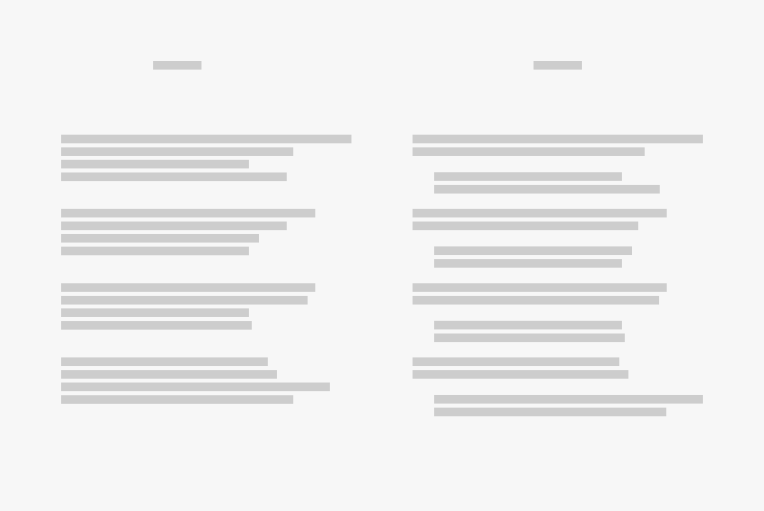
I compose lyric poetry in the traditional style with verses presented in conventional stanzas, sets of lines neatly aligned to the left. This has served me well, thus far, as my poems are simple creations, but “Autumn”, which I am currently revising, is an outlier. The third and fourth lines of each of its quatrains are refrains. Reading the poem anew, they seemed to me lost in the verses. It was, in my view, necessary to split the stanzas into couplets to separate the refrains and so make their purpose clear.
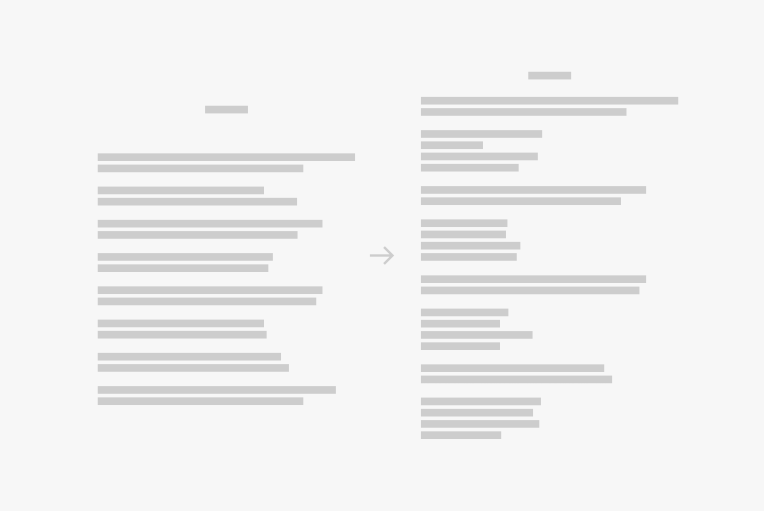
I had another concern. In the refrain couplets, there is strong internal rhyme; having these rhyming words in the midst of the lines, I thought, was unfortunate—ideally, the rhyming words should be accentuated—and so I split the lines of each refrain couplet at their rhyming words, thereby turning the couplets into quatrains with shorter lines. The result was an alternating pattern of a couplet followed by a quatrain—pragmatic but visually jarring. I solved this by also splitting the non-refrain couplets.
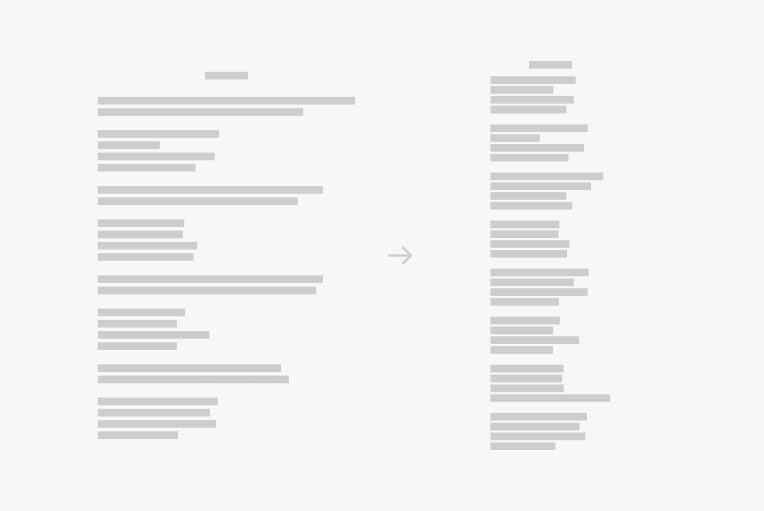
Only, now I had a formidable column of stanzas uninviting to the reader’s eye; moreover, splitting the lines interrupted their flow in many instances in the non-refrain stanzas1. To solve the former, I staggered the stanzas, indenting the refrains (every second quatrain); but this only made things worse. The poem had become a precarious stack of stanzas one dared not recite lest one’s voice collapses it all—what is more, it was ugly. As for the latter, I saw no solution. I had to reconsider my approach.
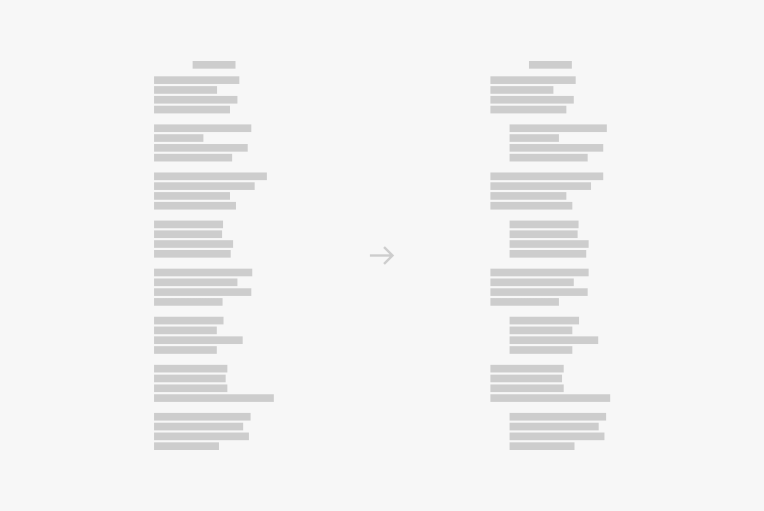
I did so by deciding what was important, namely accentuating the refrains and maintaining the fluidity of the lines in a visually consistent and elegant design. This translated into eight couplets with the original line lengths and staggered (indented) refrains—an aesthetically pleasing arrangement in which form follows function. Though the layout is an anomaly—“Autumn” is the first and, thus far, only composition formatted in this way—it is a fitting distinction perhaps for the poem that started it all2.
- The shorter lines also had an overly enlivening effect at odds with the musing tone of the poem, which seemed to require longer lines.
- I wrote a little about the significance of “Autumn” in my poetic journey in the fourth instalment of my “Artist Questions” series.
From “Cranes and Sheep” to “Autumn”
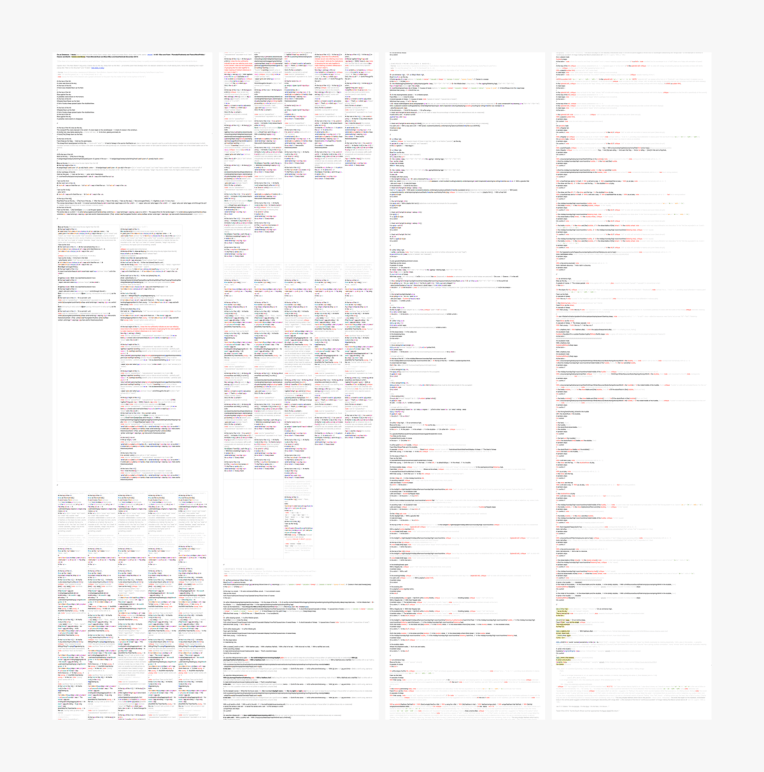
“Cranes and Sheep” is complete! After many drafts, it is everything I hoped it would be. Above is the entirety of its evolution, from the initial sketch to the finished poem.
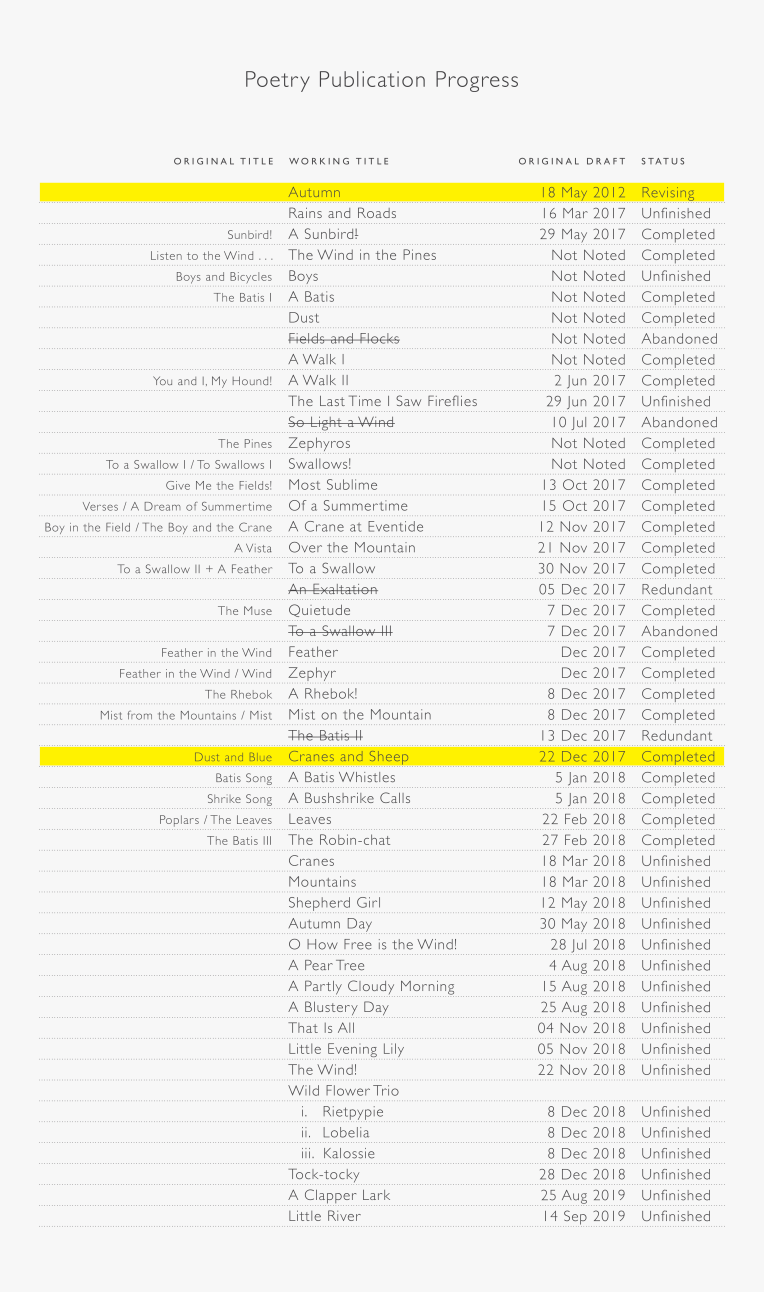
I now move on to “Autumn”, composed in 2012, the oldest poem in the collection (indeed, it was my first lyric poem proper1—how apt that Nature should be its theme).
At the time, there was no Forgotten Fields; I had no plans to produce an anthology of poems. “Autumn” was merely my heartfelt response to the loveliness of the season.
It exists as a highly finished draft given that I considered it a completed work, back then; but, as I noted some time ago, I believe I can improve upon it, seven years later.
- I wrote a little about the significance of “Autumn” in my poetic journey in the fourth instalment of my “Artist Questions” series.
 Forgotten Fields