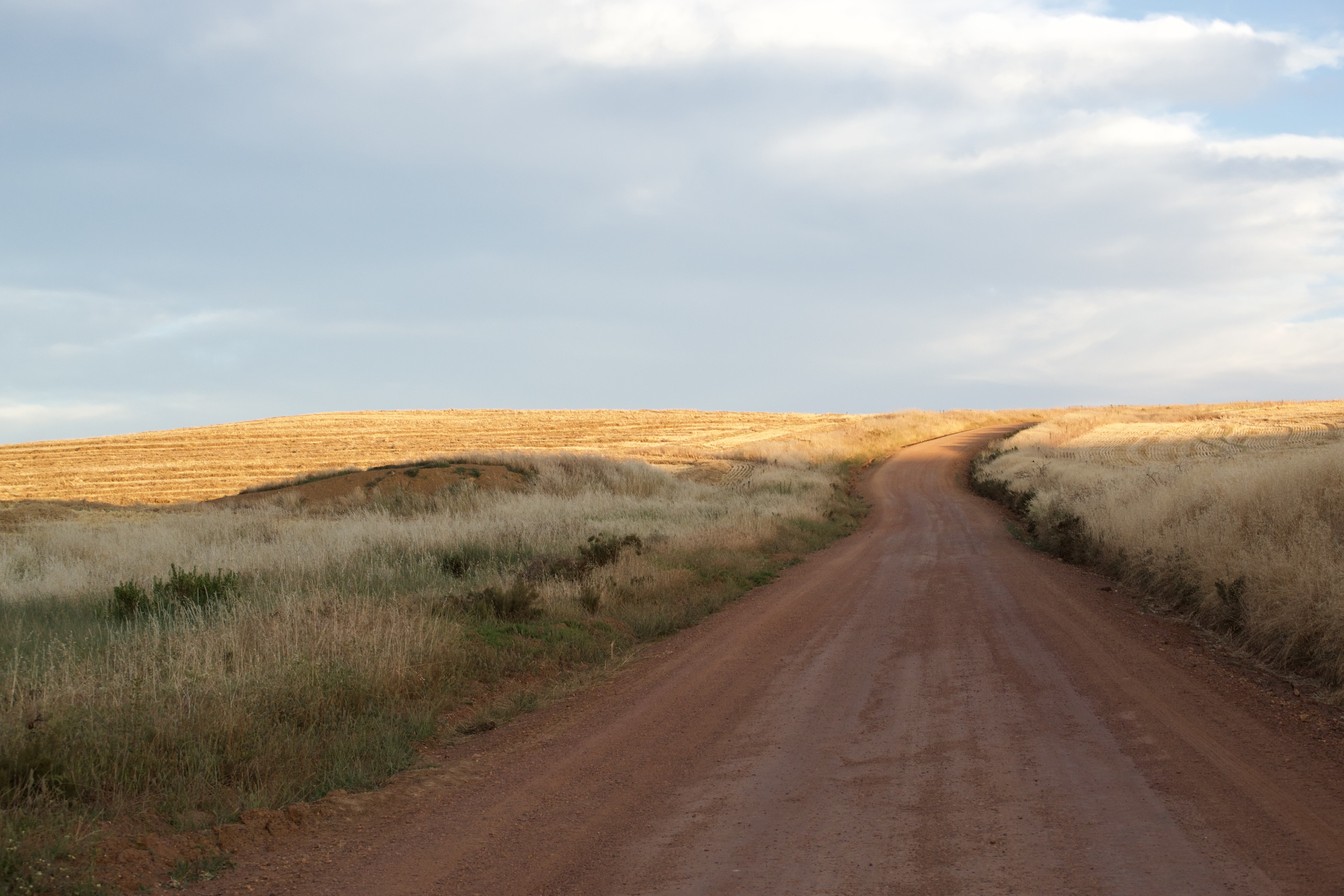
It is late spring in the Overberg (the southernmost region of South Africa) and whilst many waysides yet are in bloom1, others are high with wild oats. In the early evening, they sway in the breeze as the sun makes gold of the stubble on the hills.
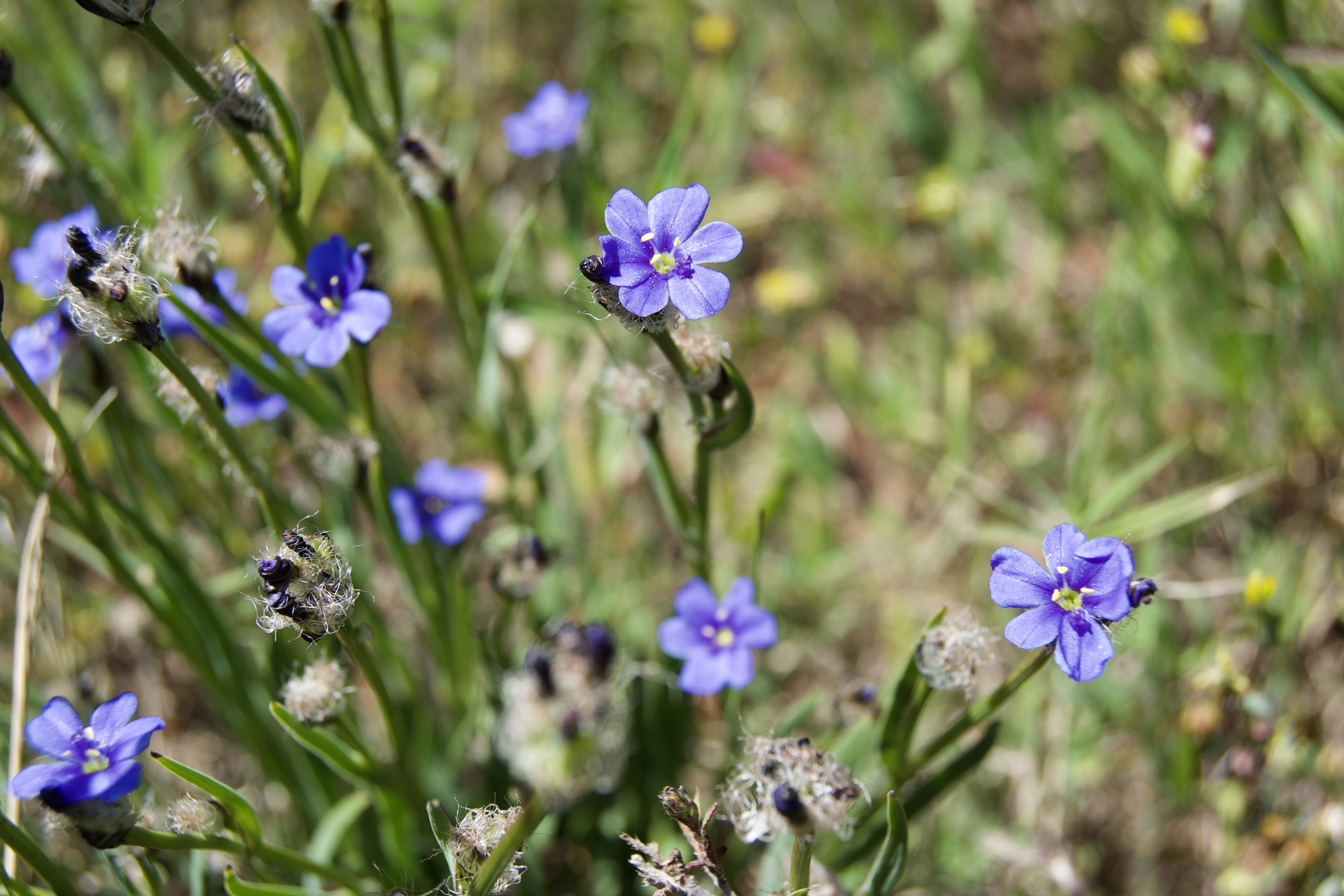
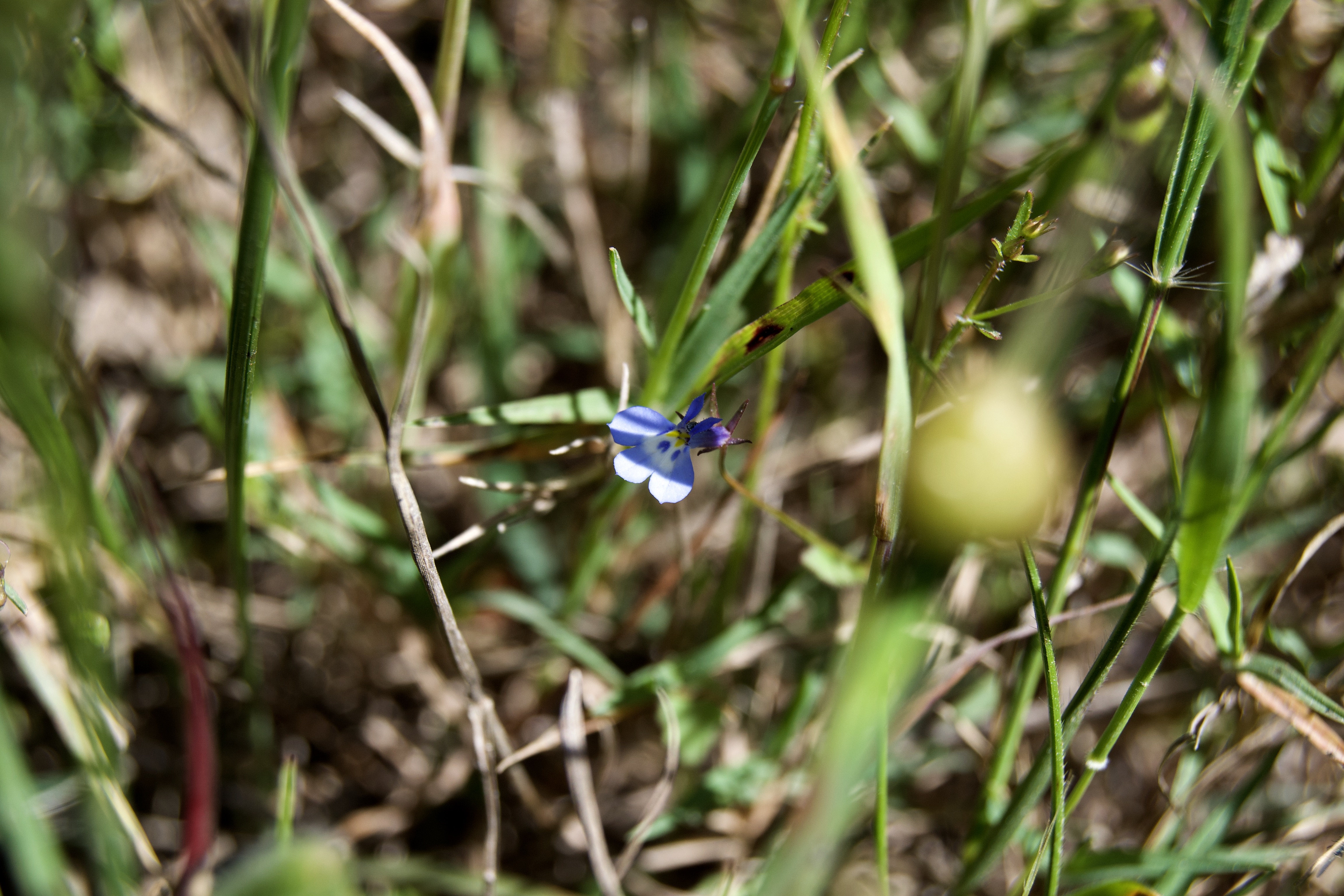
On Friday (13 November 2020), when the photograph below was taken, I happened upon a swath of Lobelia erinus, Ornithogalum strictum and even Micranthus tubulosus.
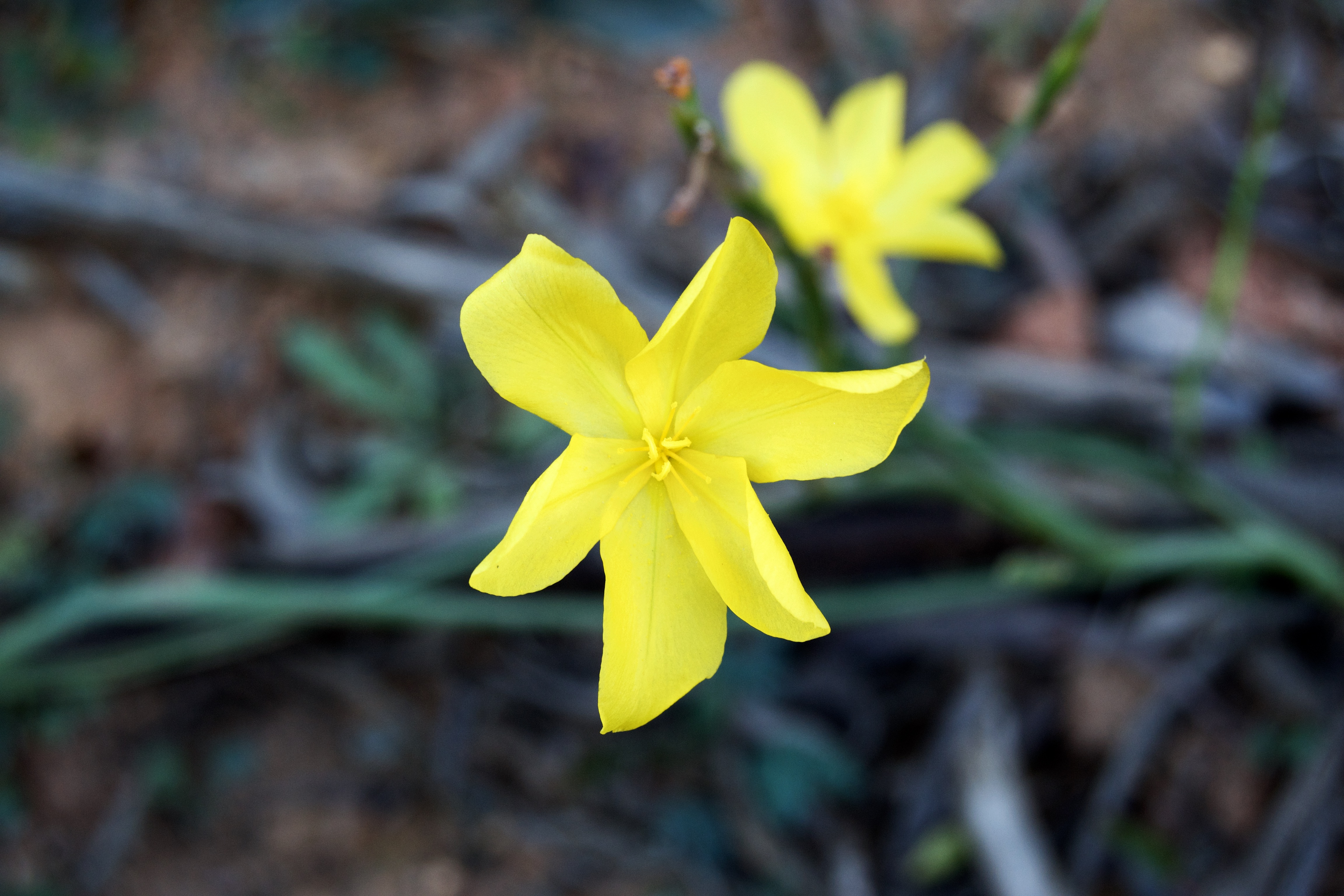
Ornithogalum dubium, the Yellow Chincherinchee, photographed 22 October 2020
South Africa is in the midst of spring, and there is no end to the flowers.1 Every few weeks, there are new arrangements of shape, size and colour at the waysides that come and go in turn.
Some sparkle on shrubs that in every other season give nothing away of their splendour. Some burst from bulbs straight from the ground—just stem, no leaves at all. Some flutter gently amid the grasses—shy, though they need not be so.
Some dazzle with striking colour, insisting one stops and stares. Some are strange, barely recognisable as what they are—for that reason, all the more lovely. Some are so small that on hands and knees one must descend to see them at all.
Were I to catalogue every species I have seen this season, my updates would be frequent and long, but permit me one more occasion to show some of the specimens that now are in bloom:
Or wild animals: late Thursday afternoon, I saw for the first time a pair of Otocyon megalotis, Bat-eared foxes! I regret I was not able to photograph them.
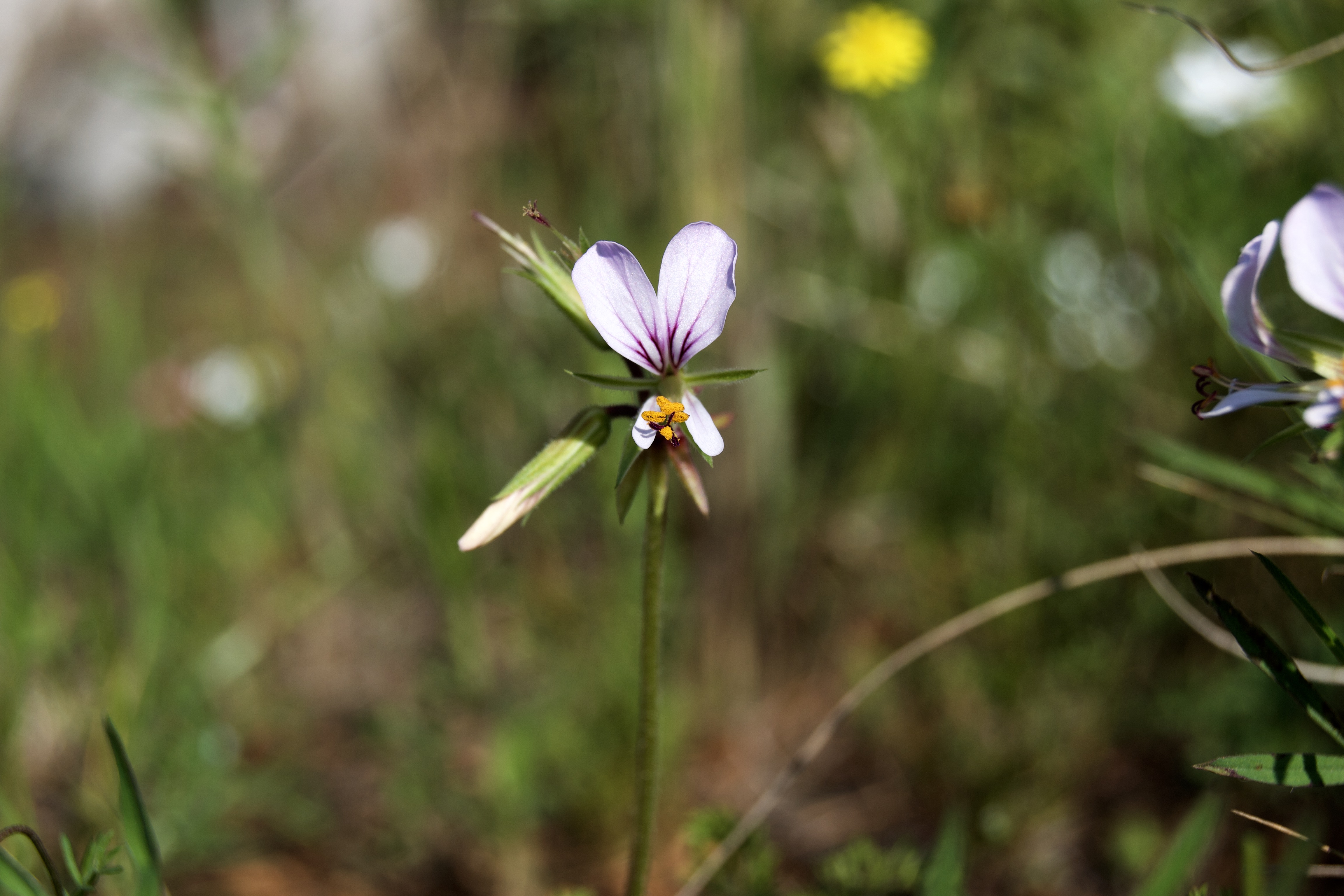
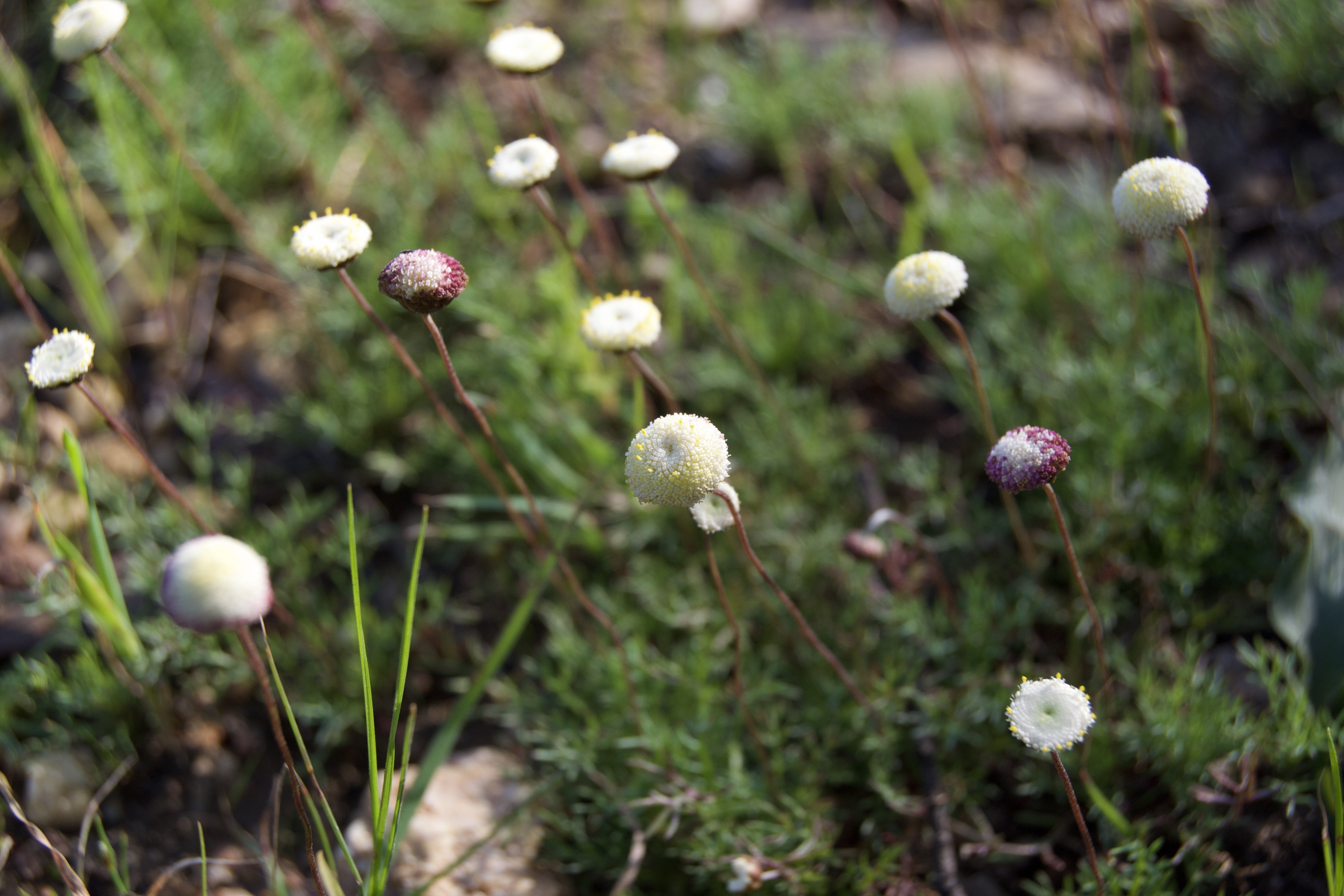
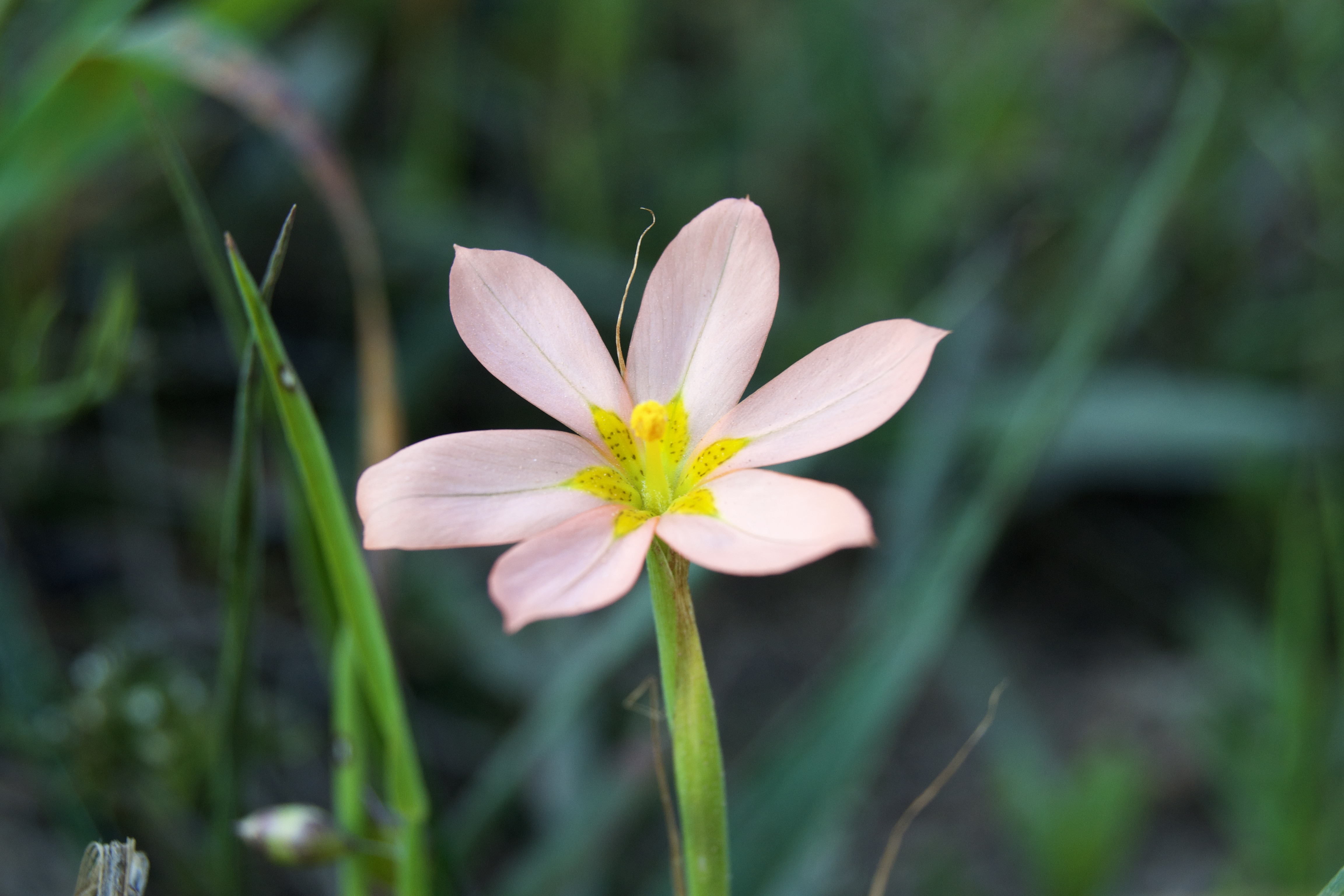
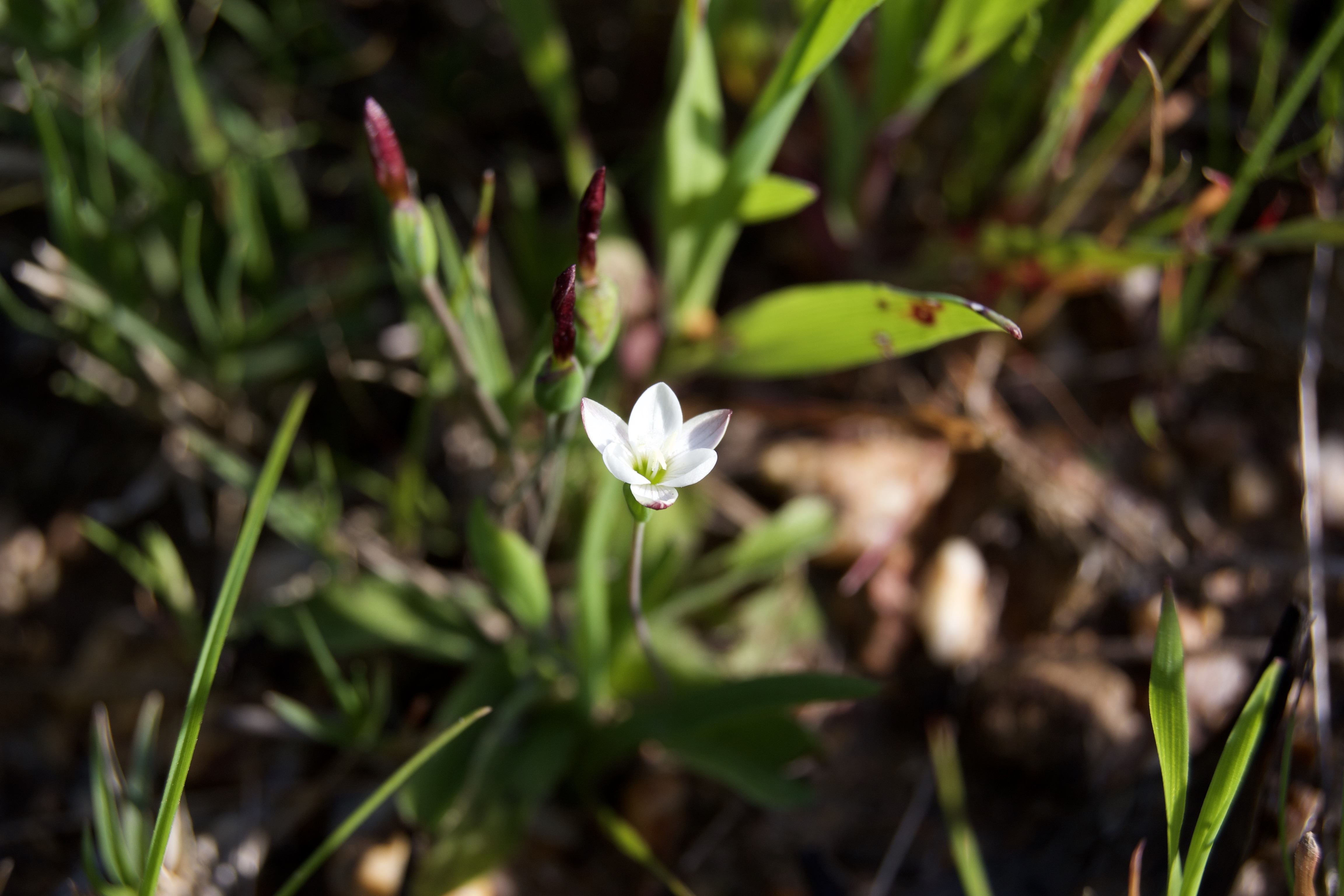
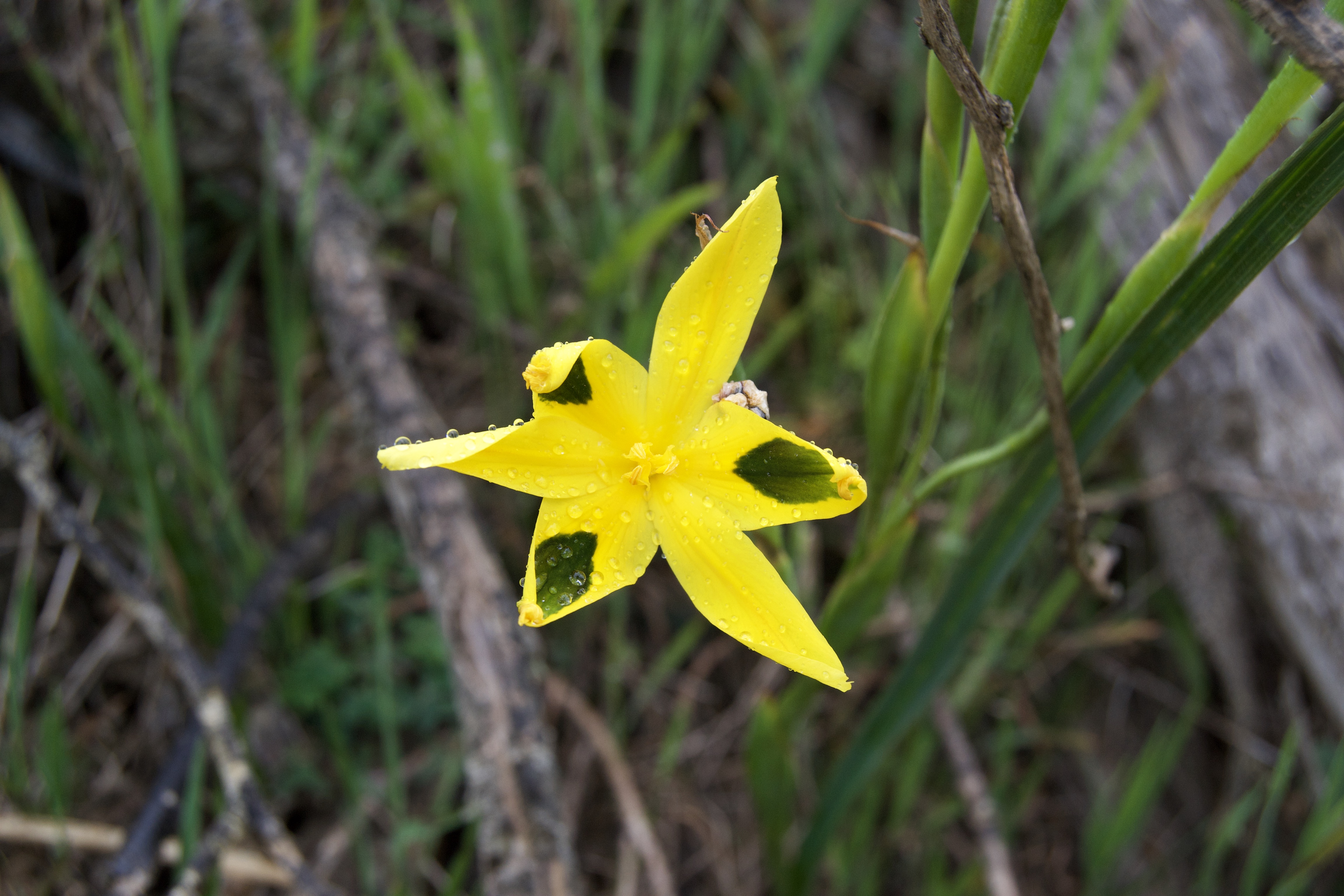
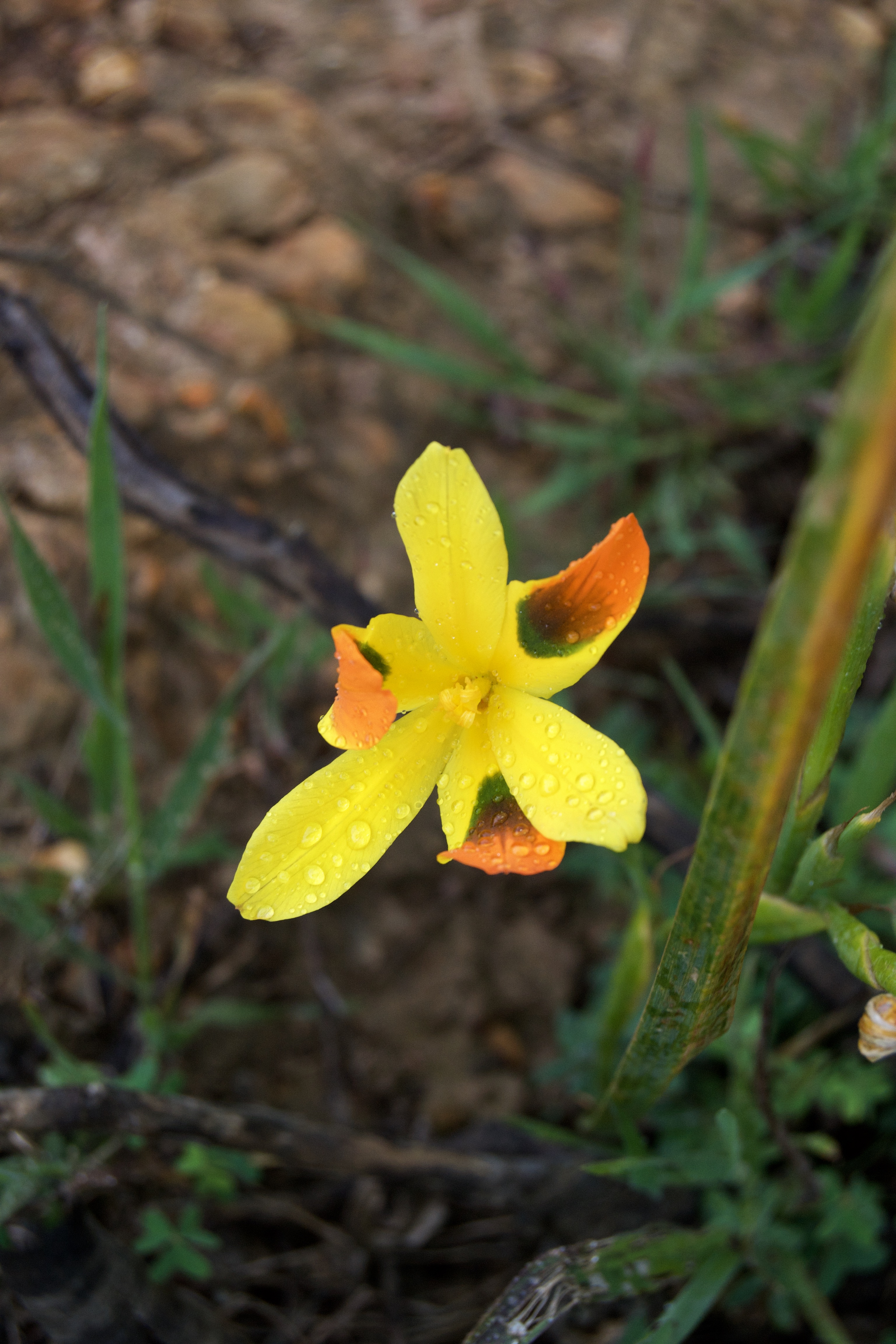
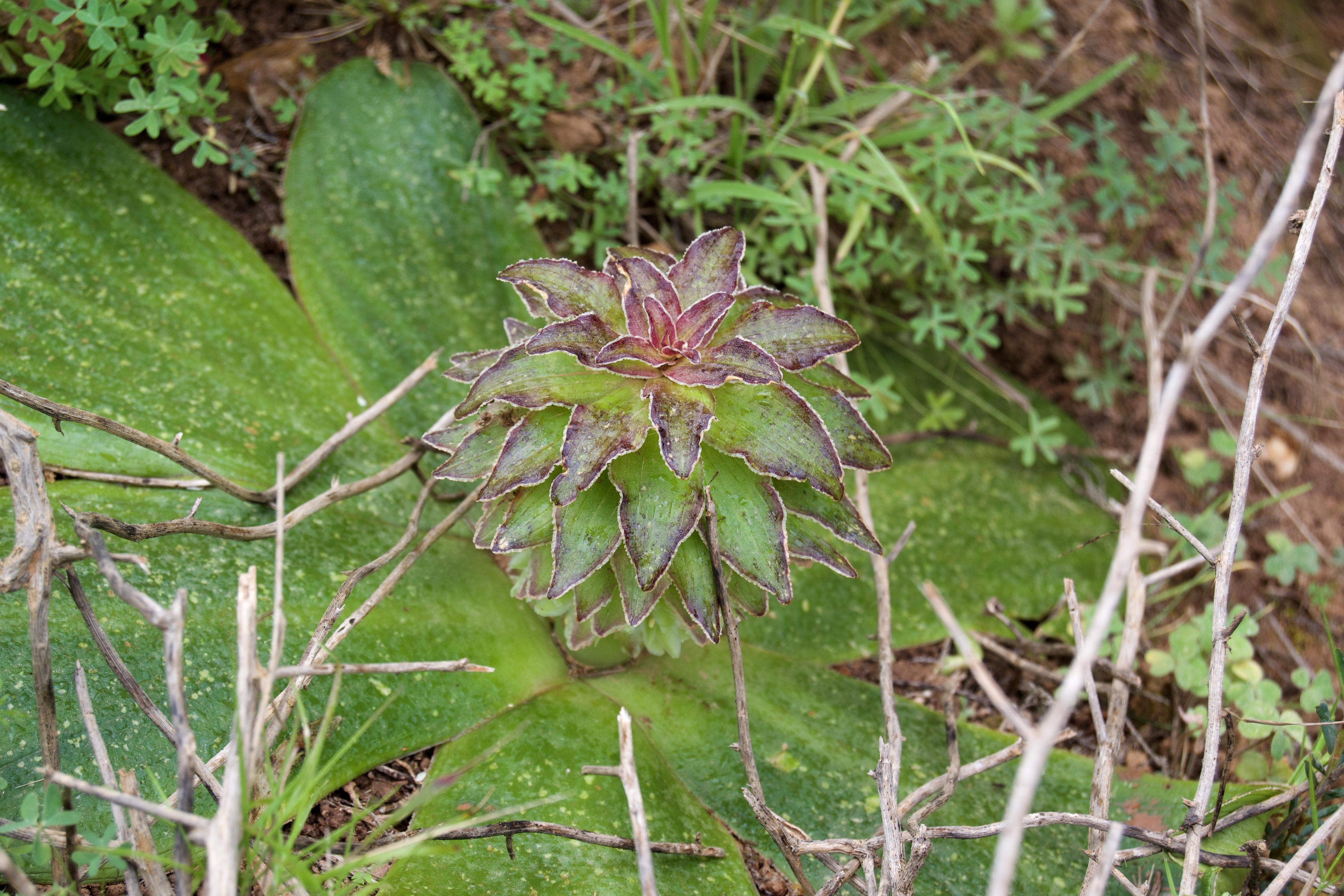
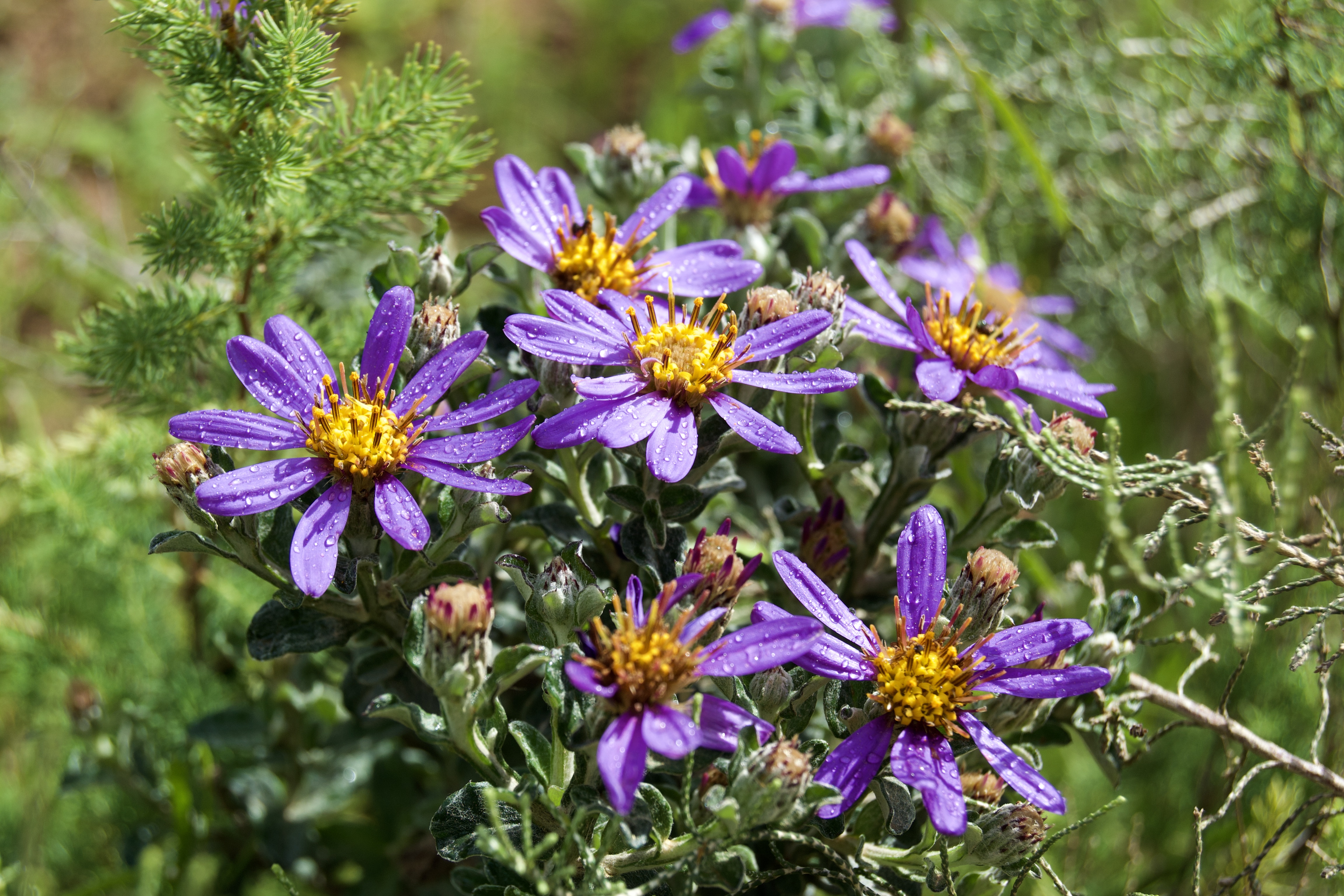
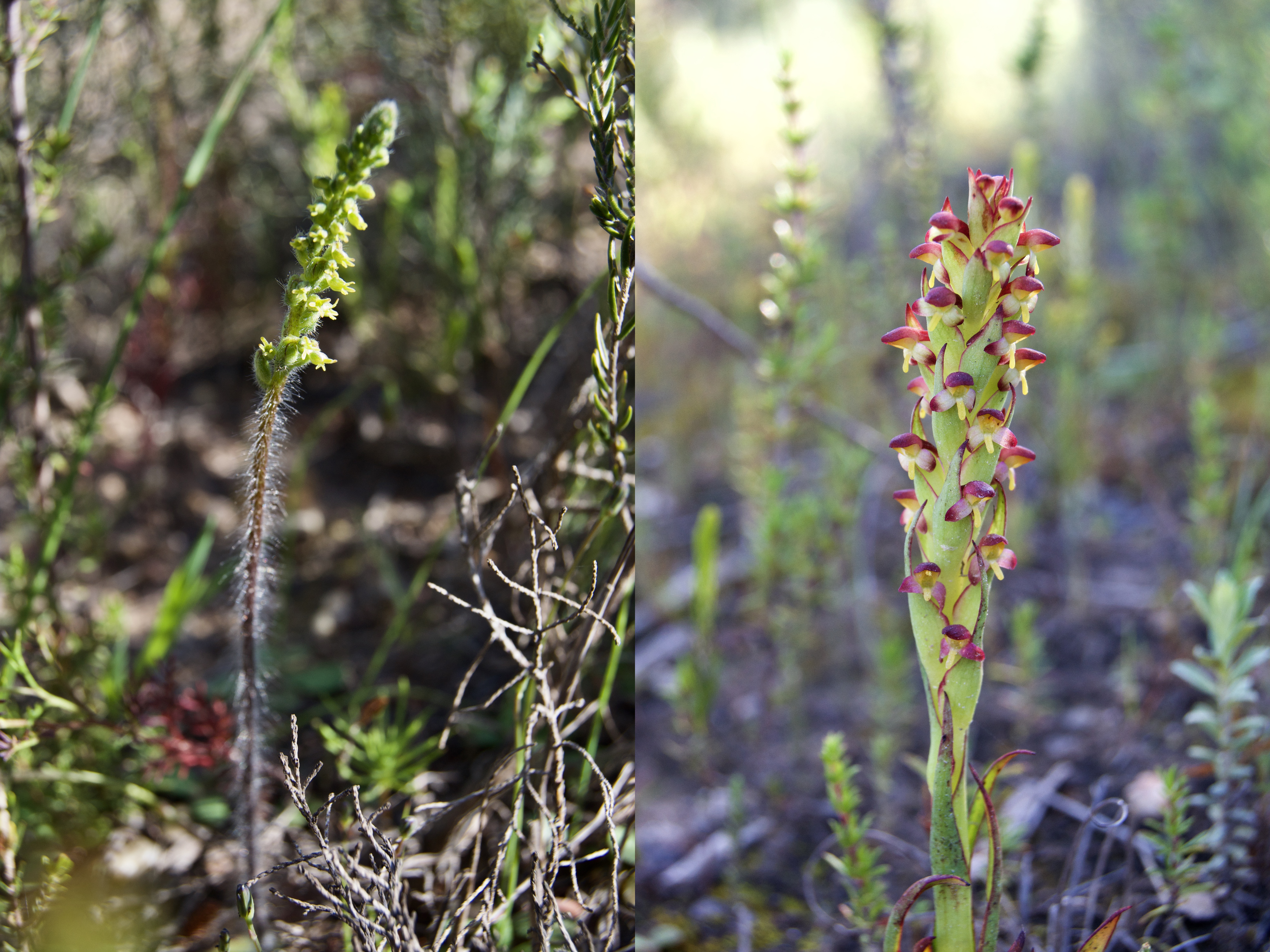
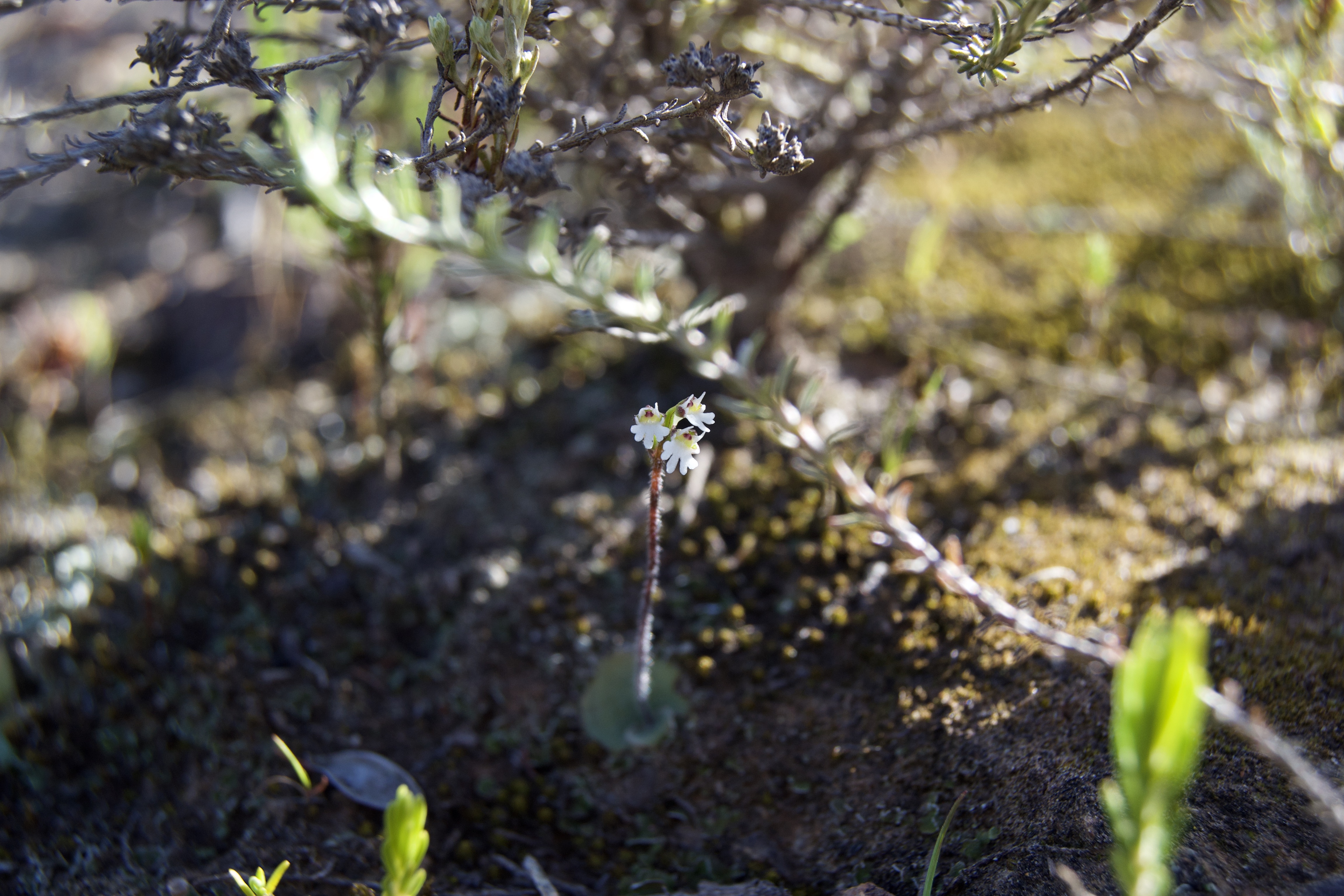
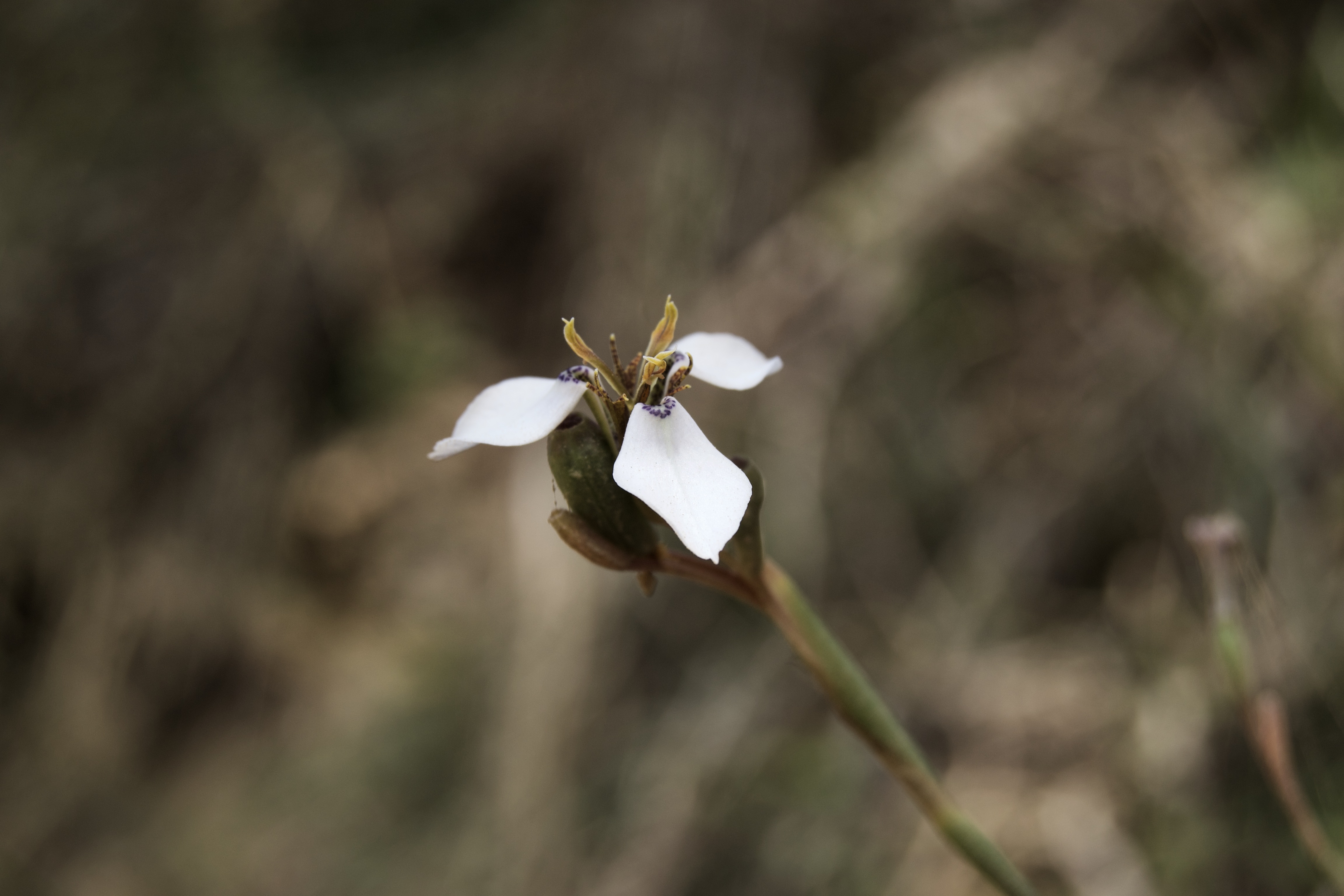
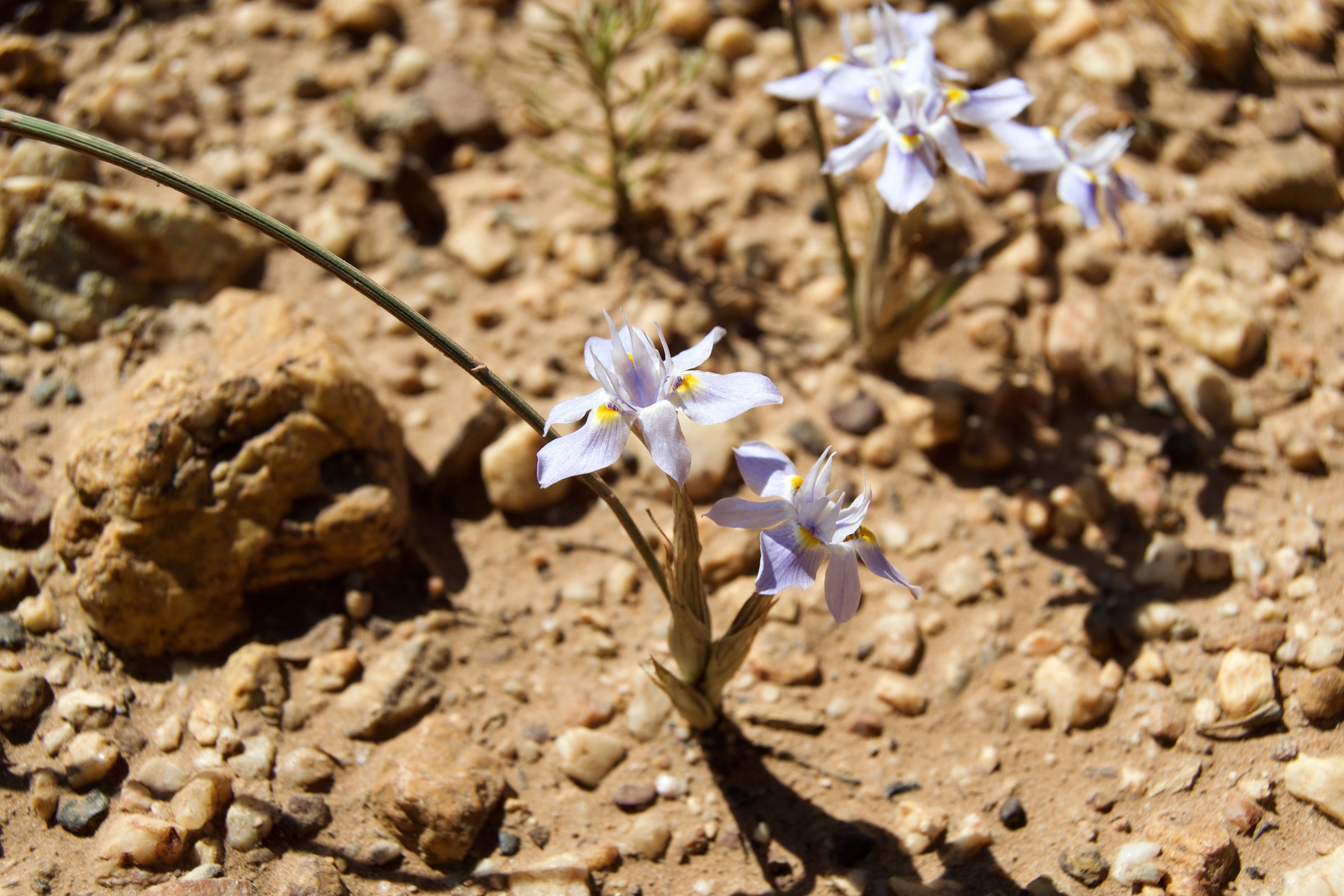
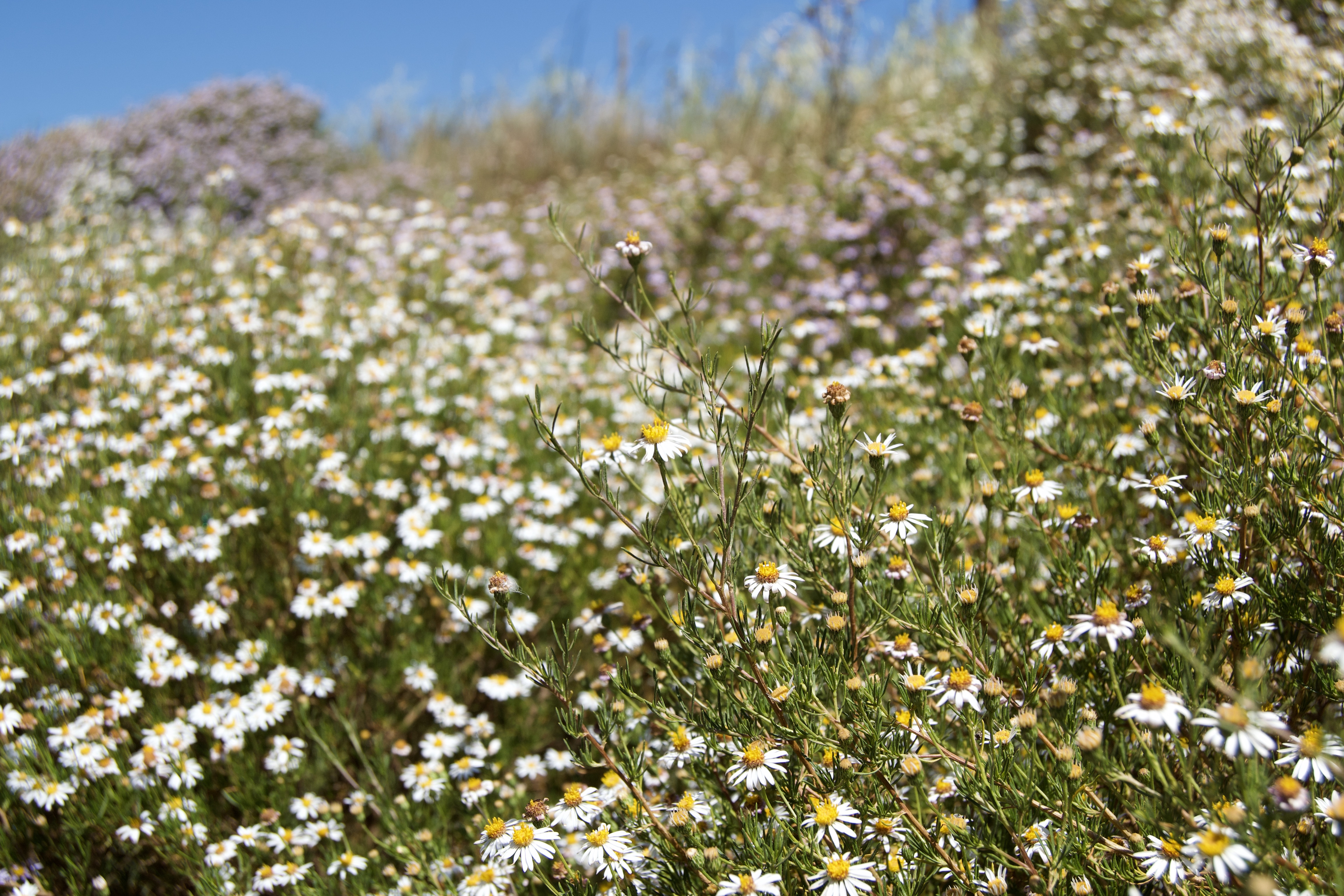
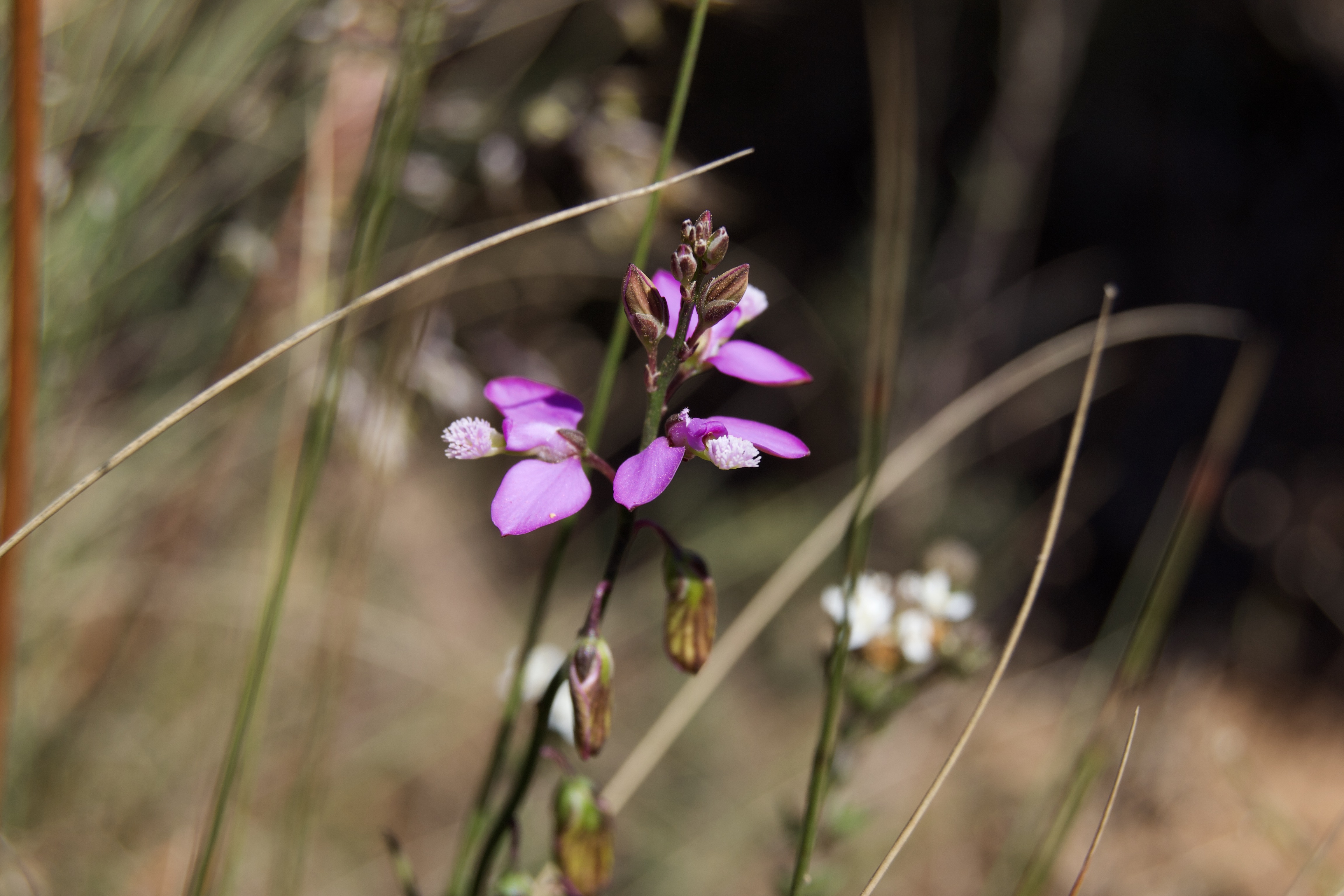
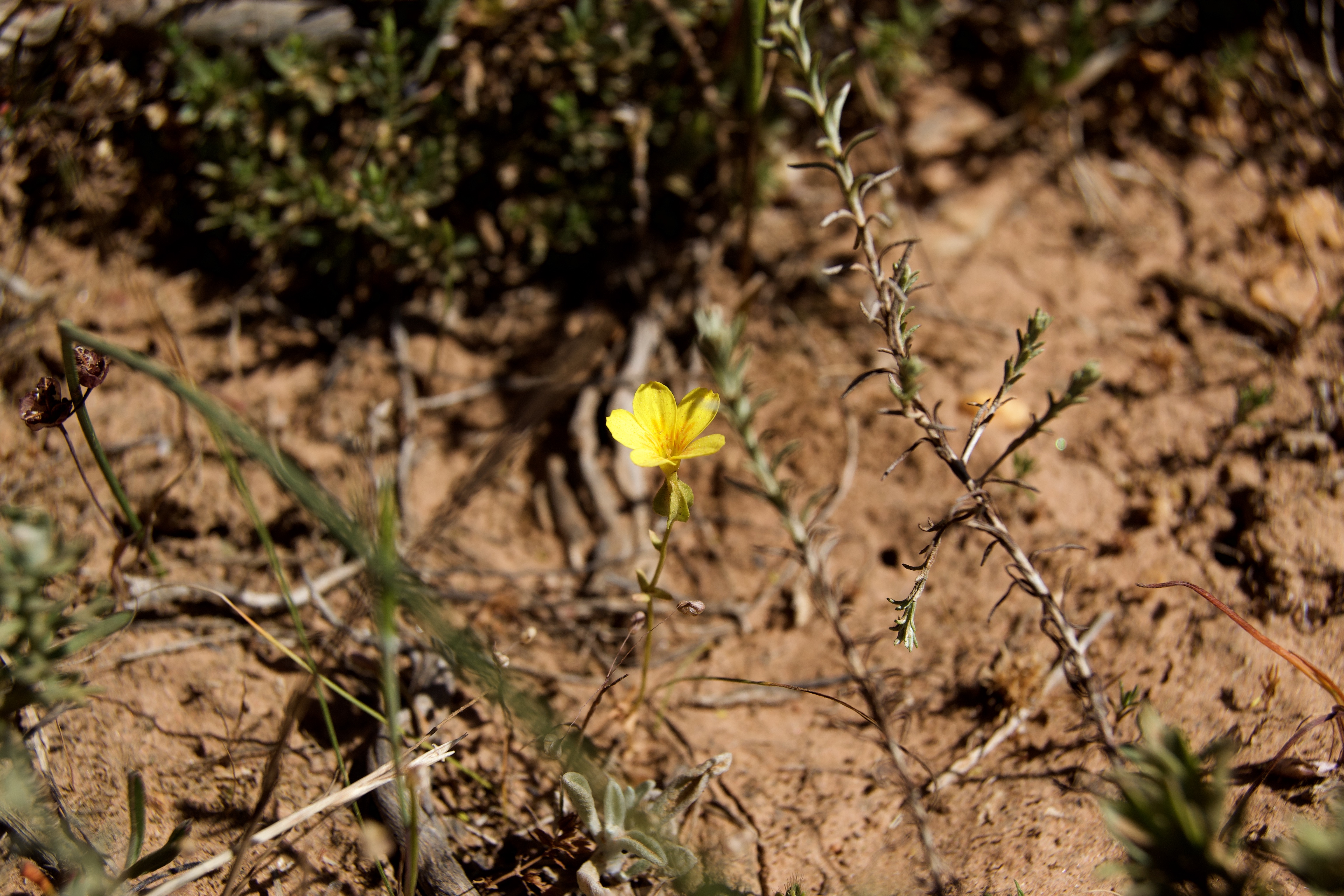
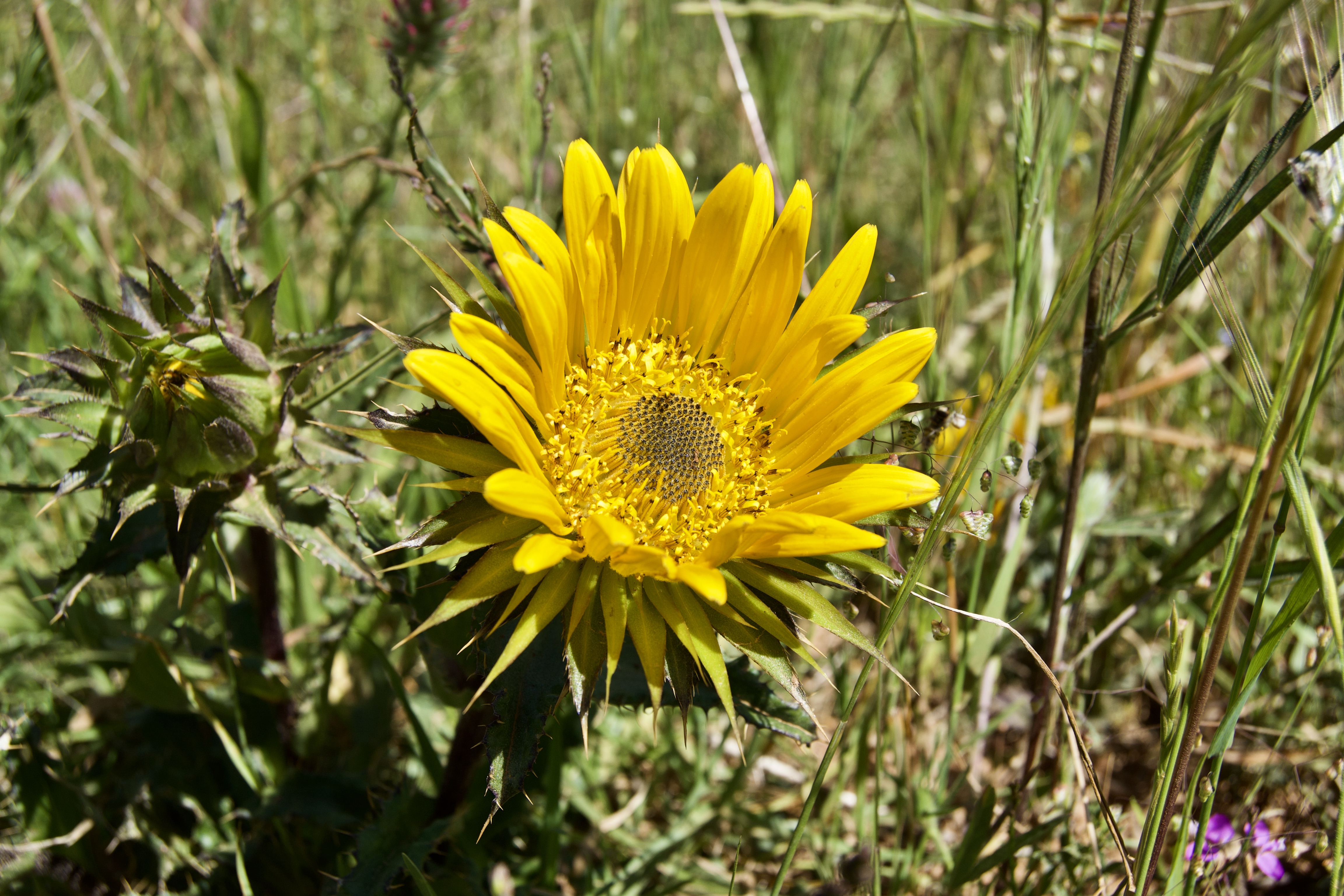
Pelargonium, possibly P. suburbanum (19 September 2020)Cotula ceniifolia (19 September 2020)Moraea miniata (19 September 2020)The near-threatened Geissorhiza nana (19 September 2020)The endangered Moraea elegans in its green spot variation (20 September 2020)The endangered Moraea elegans in its green and orange spot variation (20 September 2020)Eucomis regia, commonly known as the Pineapple Lily (20 September 2020)Oxalis zeekoevleyensis (20 September 2020)Printzia polifolia (20 September 2020)Holothrix villosa (left) and Disa bracteata (right) (29 September 2020)Holothrix mundii (29 September 2020)Moraea unguiculata (8 October 2020)Moraea lewisiae (8 October 2020)Aristea africana (14 October 2020)Lobelia erinus (14 October 2020)Moraea, likely M. setifolia (22 October 2020)Felicia hyssopifolia (22 October 2020)Polygala garcinii (22 October 2020)Sebaea exacoides (22 October 2020)Berkheya armata (22 October 2020)
A windy day in late winter, filmed 25 August 2018.
Taking much longer to develop than I anticipated, “A Late Winter Morning” is done at last, a celebration of the titular subject in three stanzas, reflecting upon those striking moments that move one to compose: sunlight upon the verdant landscape, familiar birdsong—one’s wistfulness upon hearing it.
I am also pleased that I have found a final title for the offshoot poem, previously undecided between “A Morning Chat” and “A Chat at Solitaire”. It is now simply “A Chat”, referring at once to the bird, the African Stonechat (Saxicola torquatus) and the subject of the poem, its splendid warbling song.
In the days to come, I shall turn to “A Blustery Day”, composed on 25 August 2018, a windy day in late winter (June to August in South Africa). I had the foresight at the time to film the blowing pines that inspired the sketch—there is a row beside the house planted by my mother three decades ago:
The difference between the mind of the poet and the non-poet is illustrated by a brief exchange with my father.
He: “Look at the wind!” I: “Ah! It has places to go!”



 Forgotten Fields