From sketch to draft
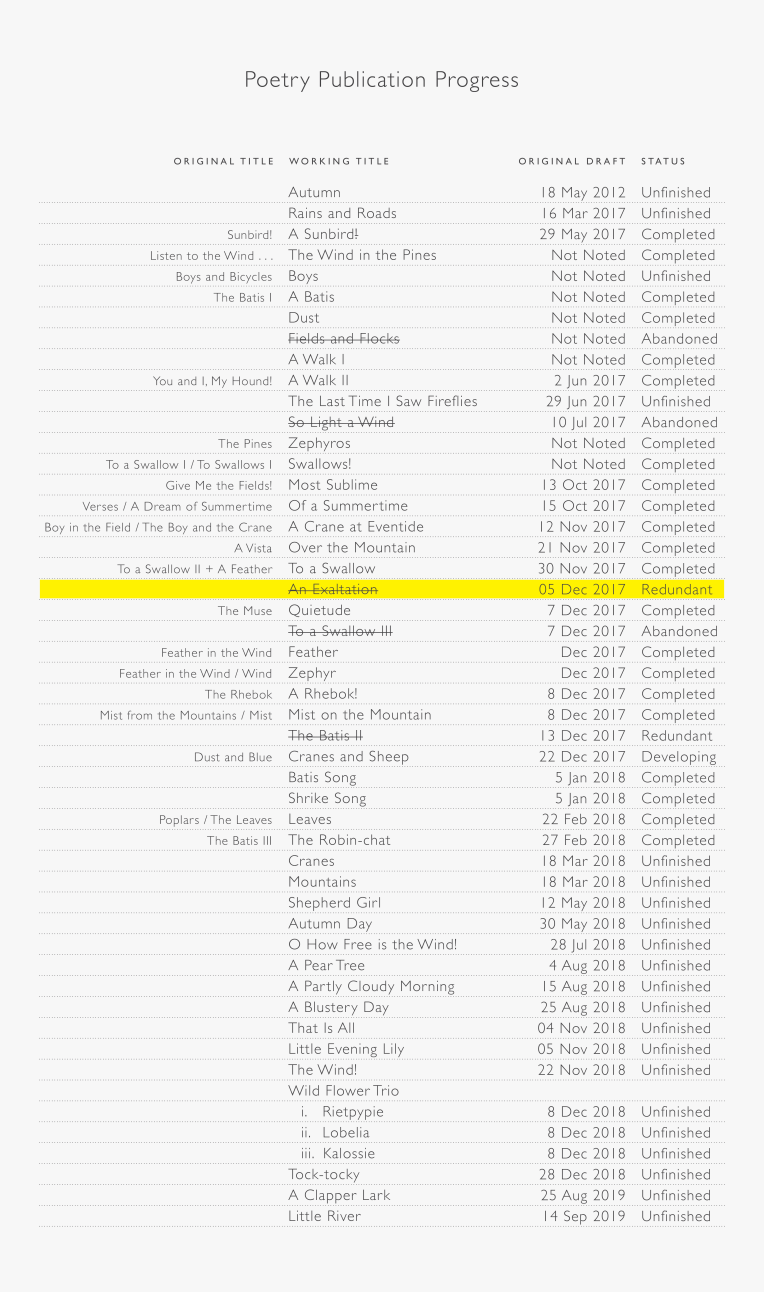
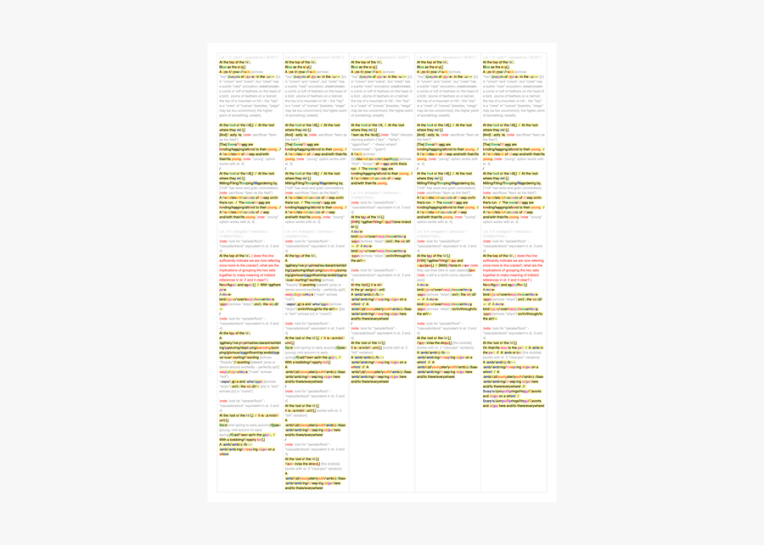
The way a poem develops ever fascinates me: already “Cranes and Sheep”, initially a single four-line verse, has burgeoned into a four-stanza idyll1. Like “Mist on the Mountain”2, its stanzas emerged from variations on the original quatrain: as I experimented with different versions of the primary verse, the resulting variations became stanzas in their own right; I now have a draft with a recurring motif, an element that imbues it with a lyric quality.
From concept to theme
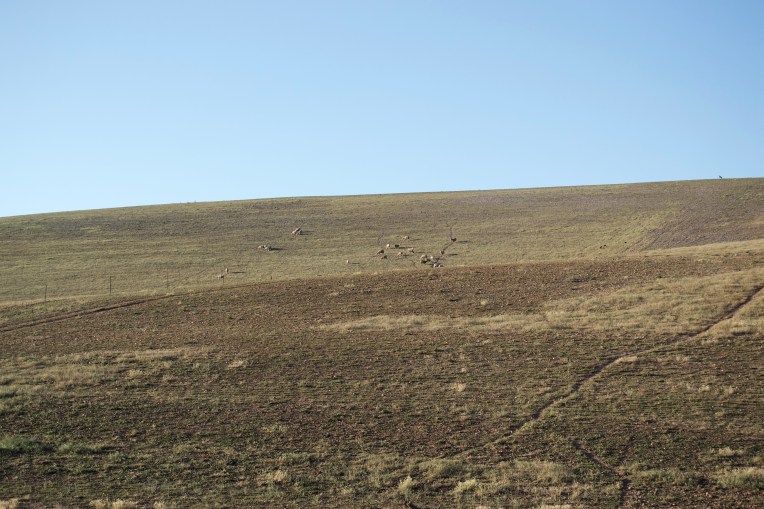
My approach to the poem is a juxtaposition of a scene at the top of a hill—where Blue Cranes congregate against the sky—with one at the bottom of the hill—where Merino Sheep graze against the slope. Thus, the stanzas come in pairs: one and three are devoted to the cranes at the summit, two and four to the sheep at the base (a meta-theme of Heaven and Earth3); moreover, one and two present a sense of stillness and three and four, movement.
From structure to style
Each stanza has three short lines with an average of six words per line. As with all my poems, the style is reminiscent of Maurice Carême and Eugène Marais in its simplicity, written in a combination of iambic dimetre4 and trimetre5; for example, in the first stanza (in its current form): didi-DUM didi-DUM / DUM didi-DUM / DUM didi-DUM didi-DUM. This cadence lends itself to the underlying theme of Wonder and Delight as you happily cavort through the verses.
 Forgotten Fields