Another Poemlet

A Blustery Day Offshoot, 17 October 2020. Copyright 2020 Forgotten Fields. All rights reserved.
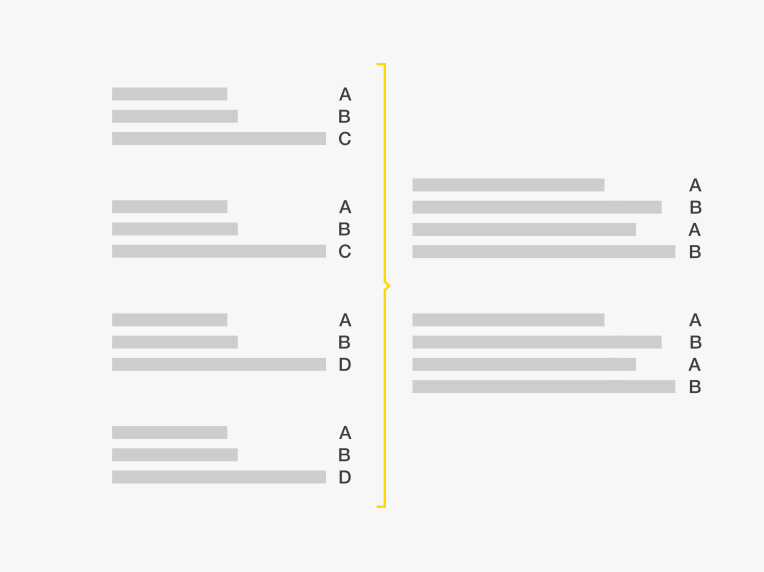
The structure of “A Blustery Day” (left) and that of the offshoot poem (right).

I am currently developing “A Blustery Day”, a poem first outlined in late August 2018, and like “A Late Winter Morning”, it has unexpectedly produced an offshoot poem.

As I began developing the sketch into a first draft, four short stanzas emerged. These, in an experiment, I tried to condense into two, which worked splendidly; however, their structure so differed from that of the main poem that they could not be incorporated there, justifying a separate composition.

I shall develop this offshoot alongside the main poem as I did “A Chat” alongside “A Late Winter Morning”. If the outcome is satisfactory, I shall include it in the anthology.
A Poemlet Complete

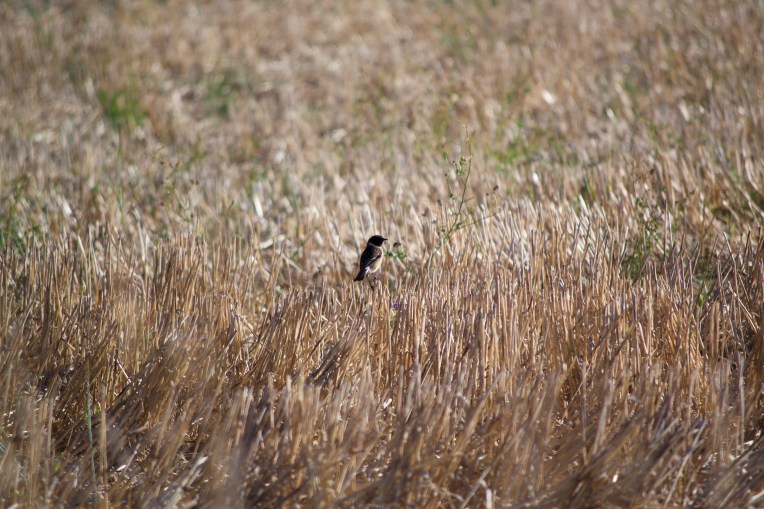
Saxicola torquatus, 8 February 2019. Copyright 2020 Forgotten Fields. All rights reserved.
An African Stonechat (Saxicola torquatus), taken 8 February 2019.

The offshoot poem from “A Late Winter Morning” (itself yet unfinished) is complete! It is light and fun, and one cannot help but laugh as one bounces through its lines.

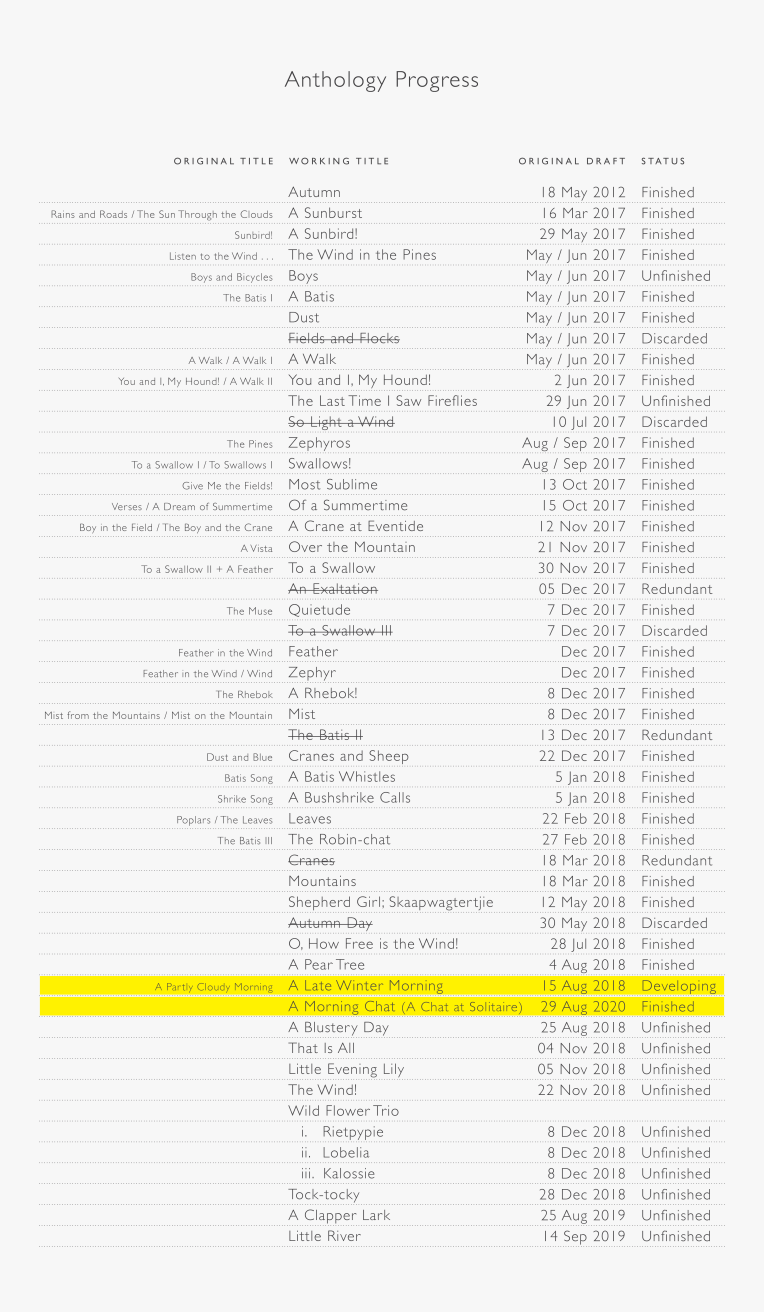
I am undecided about its ultimate title, wavering between the simplicity of “A Morning Chat” and the sprightliness of “A Chat at Solitaire”—pum-pum pum-pum pum-paahm—which echoes the animation of the verse, but I am not pressed for a decision.

Incidentally, the date of the original draft is listed as 29 August 2020 when it came into being, but it emerged from the main poem, which was drafted 15 August 2018.

Poetry Publication Progress (2020-09-26)

Time Well Wasted

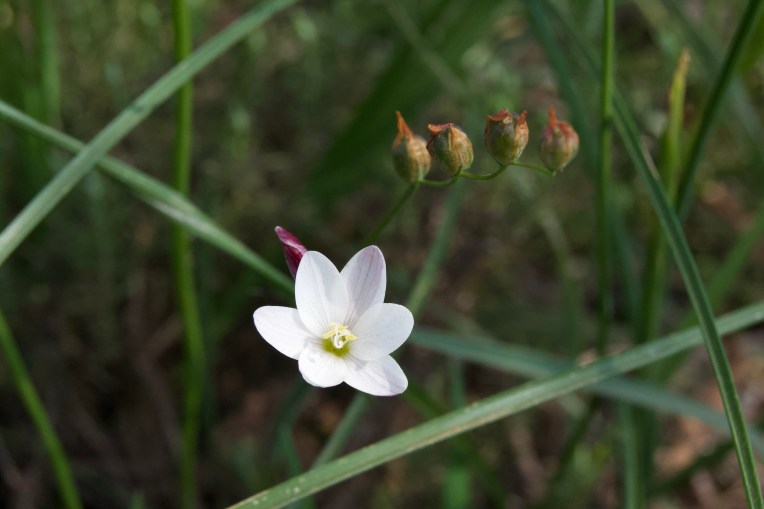
A Geissorhiza, possibly G. inflexa, 12 September 2020. Copyright 2020 Forgotten Fields. All rights reserved.
A Geissorhiza, possibly G. inflexa, photographed 12 September 2020. It is mentioned incidentally in “A Wayside Wonderland”, where it appears in the Nemesia barbata set (par. 7, photo. 11).

I resumed work on “A Late Winter Morning” today after two weeks otherwise occupied, chiefly with matters of secular life; it is clear to me that it will be many weeks before the poem is complete. Why then spend “whatever hour I could spare” these past two weeks buried in botanical books instead of devoting that time to the poem?

The reason is twofold: my rural surroundings inspire my work—studying its flora, fauna, topography and history I consider my duty—and in the writing of pieces like “A Wayside Wonderland”—in which I consolidate what I learn—I often produce lines that inspire new poems1. “Time well wasted” is the phrase I reserve for these moments.

  1. The case with the above-mentioned piece, from which came a new poetic esquisse titled “A Lily” or “Lily in the Sedges” for a future anthology.