Yesterday, whilst preparing the near-final draft of the “Mist” poem (previously “Mist from the Mountains”)—that is, extracting from the latest stanza variations the ones I intend to refine for the final draft—there came to me suddenly a new perspective on that ever-challenging closing stanza.
Hitherto, it had been intentionally styled as an anecdote—an afterthought, if you will, to reflect its origin—but a quick (and surprisingly successful) experiment produced a new set of variations that explicitly echo the structure of the rest of the poem, firmly establishing its thematic import.
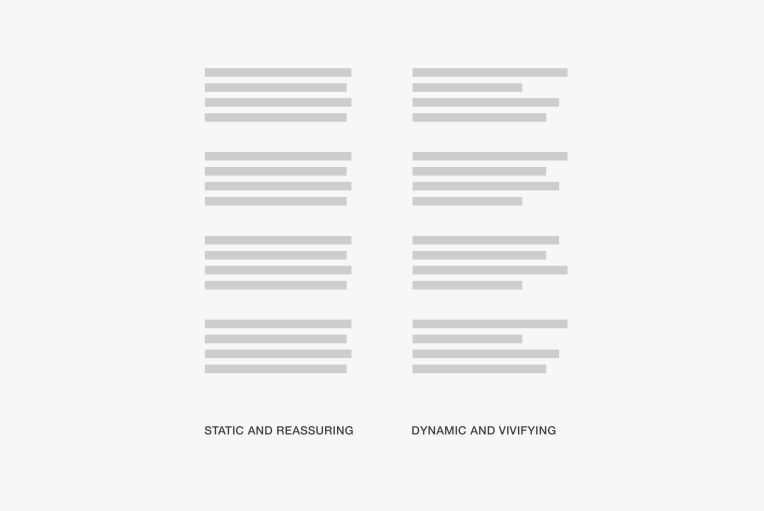
I must now decide which conceptual approach to embrace as I come to the final draft: one embodying the origin of the stanza—thematically apt but structurally distinct from the rest of the poem—or one approximating the same but structurally alike and integrated—this is my task today.
It is painful to forego an existing set of variations for another altogether new (with its concomitant implications to be determined and applied to the rest of the poem)—but it may be inevitable. Why then write these paragraphs instead of beginning the work? To brace myself should it happen!
 Forgotten Fields