One day, I hope I will be.
One day, I hope I will be.
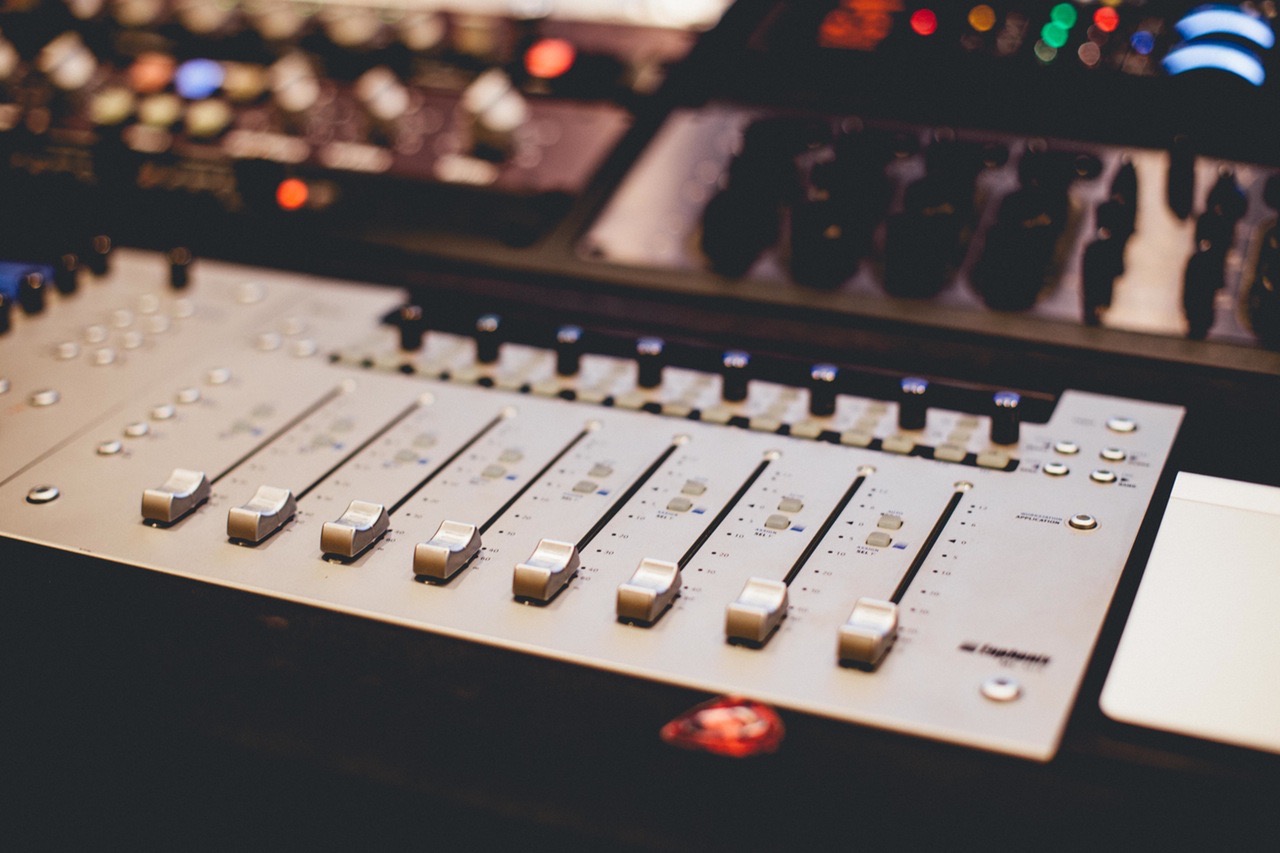
I spent the whole of Saturday doing the preliminary mix for “In The Hangar”, the opening track of the Airship album. I say preliminary because, once all the tracks are mixed, one inevitably goes back and adjust or rework all the mixes for greater overall consistency in the final album. I like to keep my mixes simple. The less I fiddle, the better. Usually, this involves nothing more than adjusting volumes and adding fades. But occasionally, it involves going back to the drawing board with one or more tracks.
This happened on Saturday. For “In The Hangar” and “A Good Day For Flying” (the track that follows) I used a synth bass, which had lost its appeal. I must confess, I was reluctant to change it because I didn’t feel confident about finding the right sound to replace it with in my limited arsenal of synths. Also, it’s unnerving, having to change something as fundamental to the mix as the bass. Suffice it to say that I wasn’t enthusiastic about the prospect. But, throughout the mixing session, it kept bothering me; I knew I had to change it.
Eventually, I gave in. On the verge of resigning to a bass I didn’t like, I stopped being an idiot and started experimenting. It wasn’t long before edits to stock basses in GarageBand produced just the sound I was looking for. I breathed a sigh of relief and shook my head, thinking about my initial hesitation. Not only did I save my mix, but I learned a lot about creating unique synth sounds, in the process. I realised that it is better to follow my natural intuition about what I’m doing, that no matter how uncomfortable it turns out to be, it’ll lead to better understanding and, I hope, better music.
Forgotten Fields
I have always been a loner. For many reasons, I have felt forgotten by my family. Early on, solitude became my friend. I escaped into the worlds of Dirk Bogarde (A Postillion Struck by Lightning), Kenneth Grahame (The Wind in the Willows) and Marcel Pagnol (La Gloire de Mon Père). I used to picture abandoned fields, just beyond the hedgerows, dotted with flowers like an impressionist painting. They gave me a sense of comfort. I escaped to them to be alone with my thoughts. I imagined myself lying in the tall grass, gently whispering in the wind. I stare at the clouds, my mind finally quiet. No one will find me because no one comes to these fields. Here, I am not afraid, everything is as it should be, all is right with the world. The name “Forgotten Fields” describes this inner life, the feelings of nostalgia and melancholy. It captures the yearning for something idyllic lost and even forgotten, a place that must be returned to some day, but may never be found again.
This sense of abandonment has been a theme of my existence for as long as I can remember; and my life has been an unending crusade against the mental chaos that followed. In an attempt to impose order on the chaos, I indulge my methodical, exacting nature. I am constantly trying to bring order out of the confusion about who I am, what I want and what I need. I regulate my own behaviour in order to extract something beautiful out of the noise that is my life. Predictably, this existential crisis finds expression in my work. In my music, droning noise and—to borrow from descriptions of the shoegaze movement—“walls of sound” represent chaos. Using repeating themes, sounds and melodies, I try to transform the noise into something structured, ordered and, I hope, beautiful. The ambient post-rock/drone genre provides an ideal medium for this. It is dark and pensive to quiet the mind, but also provides a medium with which to tell stories. The stories can be haunting and tragic or inspiring and rhapsodic. I endeavour to tell both. “Airship” is my first official attempt at doing so.
Forgotten Fields
 Forgotten Fields